


May 31, 2026
Suzuka 8 Hours Frequently Used Terms Glossary
Explanation of Frequently Heard Terms During Viewing
Knowing these will make watching even more enjoyable!
- Le Mans-style Start
-
Known as the holy ground for endurance races for both 2 wheels and 4 wheels is the circuit in France famous for the 24 Hours of Le Mans. The 2-wheel circuit is called Bugatti, and the 4-wheel circuit is called Sarthe, with some shared areas such as the pits. The starting method used for endurance races here is the origin of the Le Mans-style start.
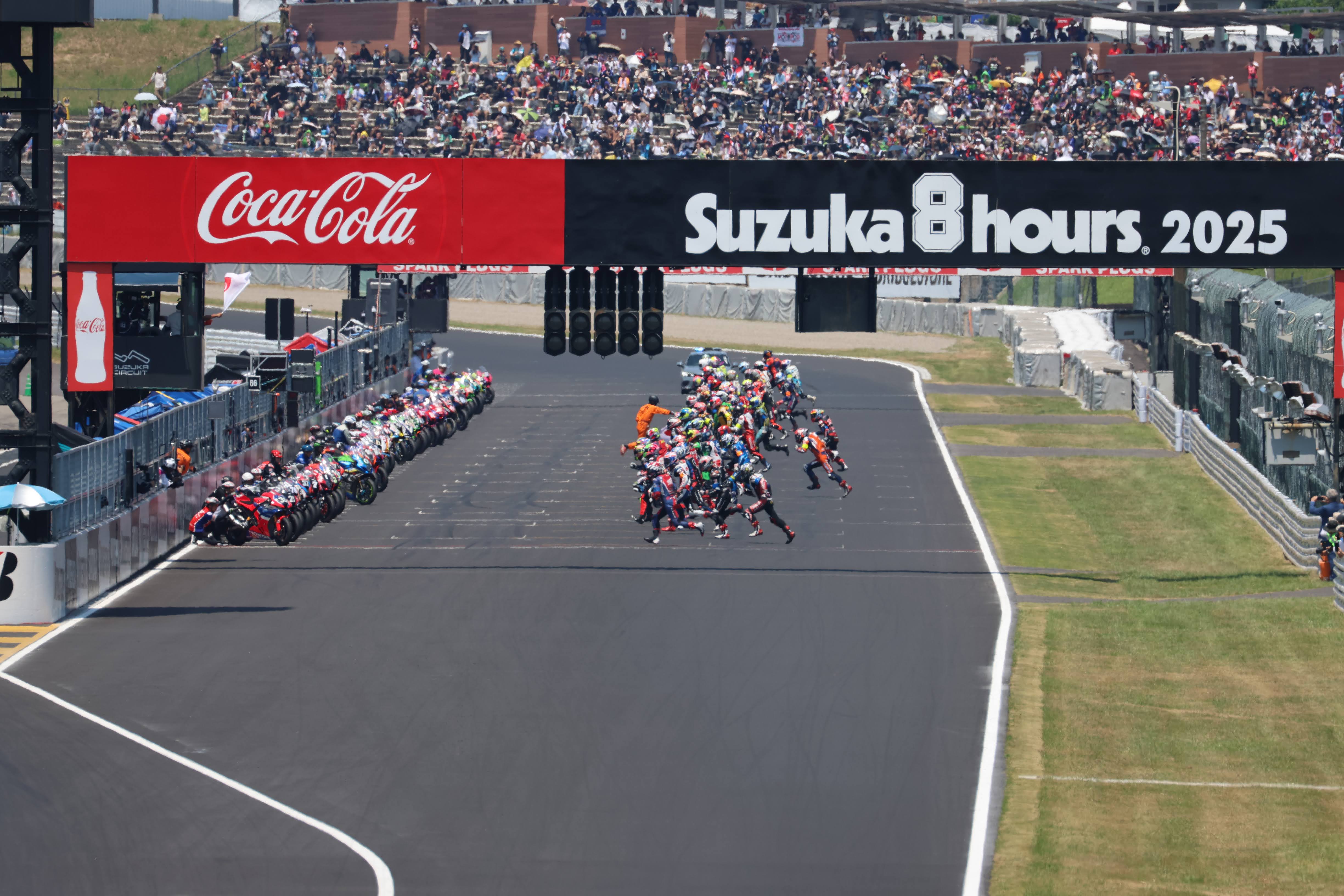
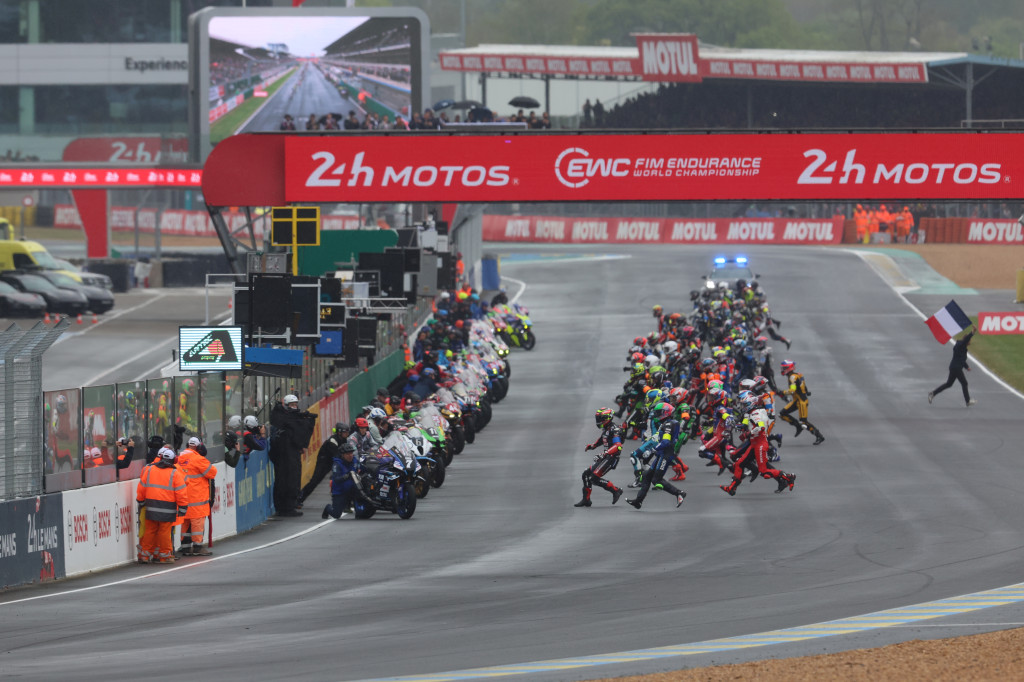
Machines are lined up on the pit side of the course according to their qualifying positions, while riders line up on the opposite side across the course. At the start signal, the riders cross the course, rush to their machines, start the engines, and begin the race. In contrast, the clutch start used in the All Japan Road Race involves riders taking their positions on the starting grid with the engine running and starting simultaneously by engaging the clutch at the start signal.
At the Suzuka 8 Hours, it is customary for the countdown to start 10 seconds before the start, shaking the entire circuit and creating a rare moment of unity amid the tension.
- Pole Position
-
The team of the Rider who records the fastest time in the Top 10 Trial earns the pole position, the front row on the starting grid closest to the first corner. Positions up to the 10th grid are determined by the results of the Top 10 Trial, while positions from the 11th grid onward are based on the results of the Friday timed qualifying.

- Holeshot
-
The term holeshot refers to being the first to dive into the first corner immediately after the start. It is used in expressions such as "taking the holeshot" or "winning the holeshot." This term was also used in motocross races where riders start side by side in a single row.
- Tail-to-Nose
-
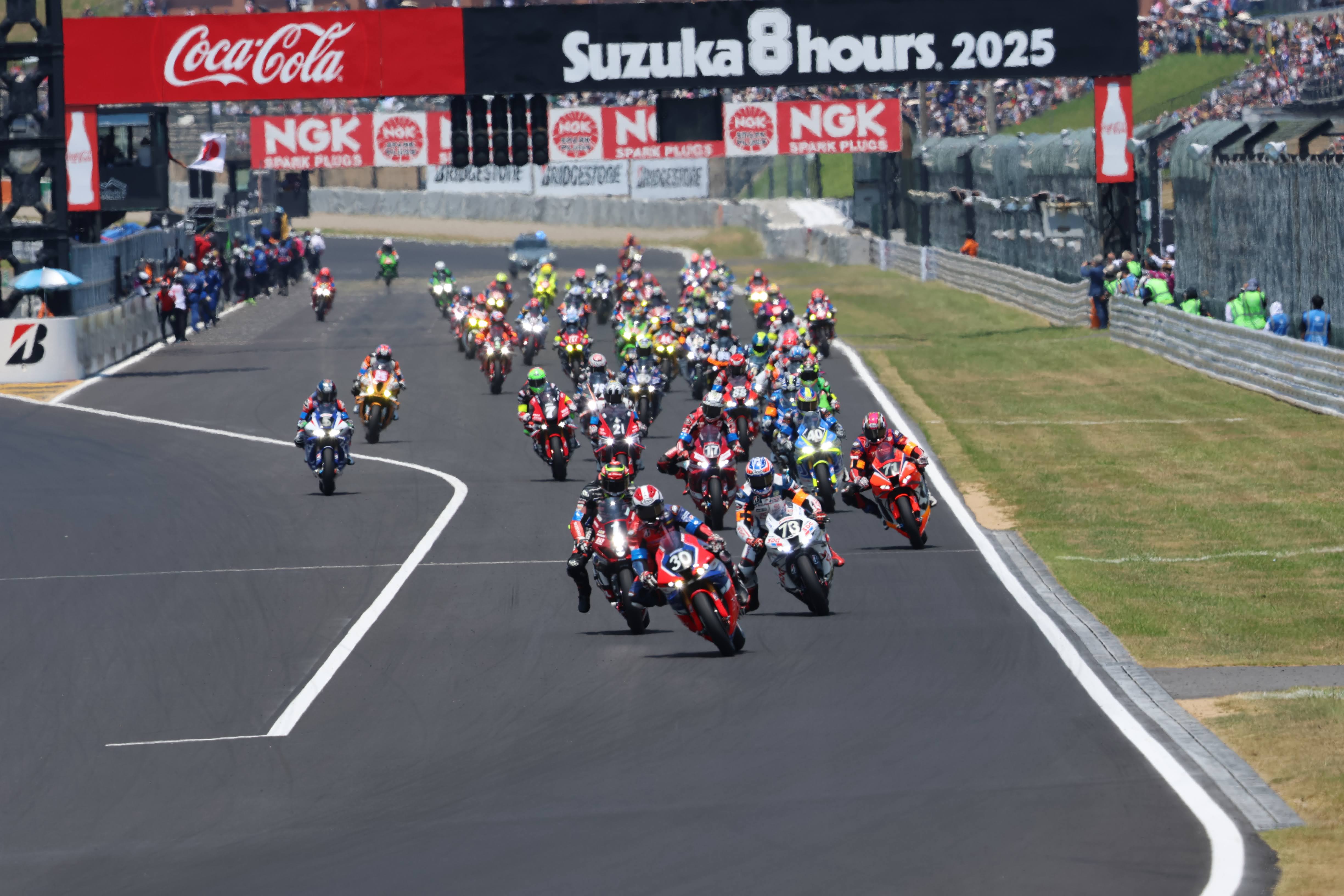
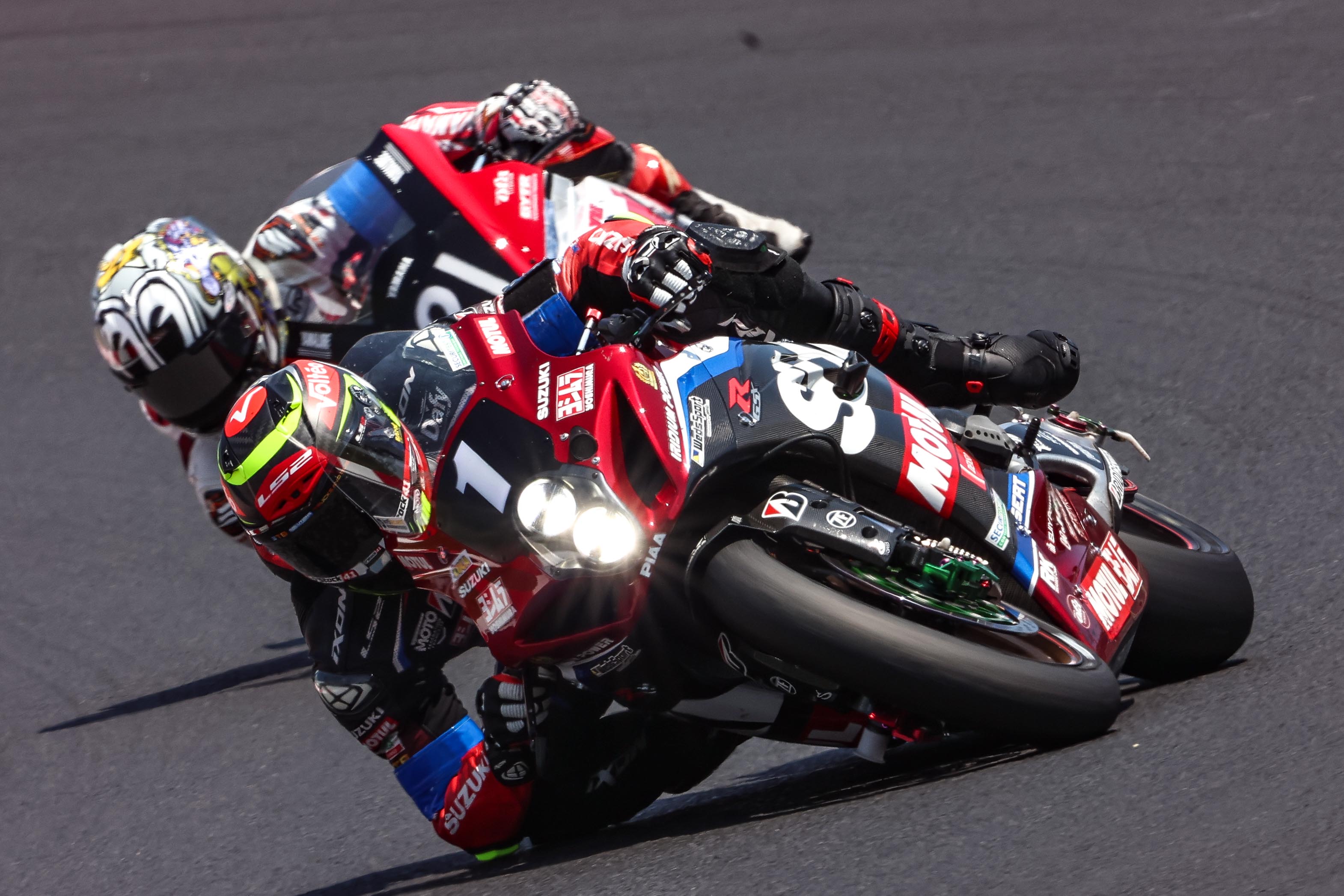
Tail-to-Nose literally refers to the state where a rider’s nose is tightly attached to the tail of the bike in front. It is often described as a "tail-to-nose battle," which usually means a close race. There is also a similar concept called slipstreaming, where a rider closely follows behind the leading bike, mainly on straights, to reduce air resistance. This technique is used to seize the opportunity to break out of the slipstream and pass the bike ahead.
- Side by Side
-
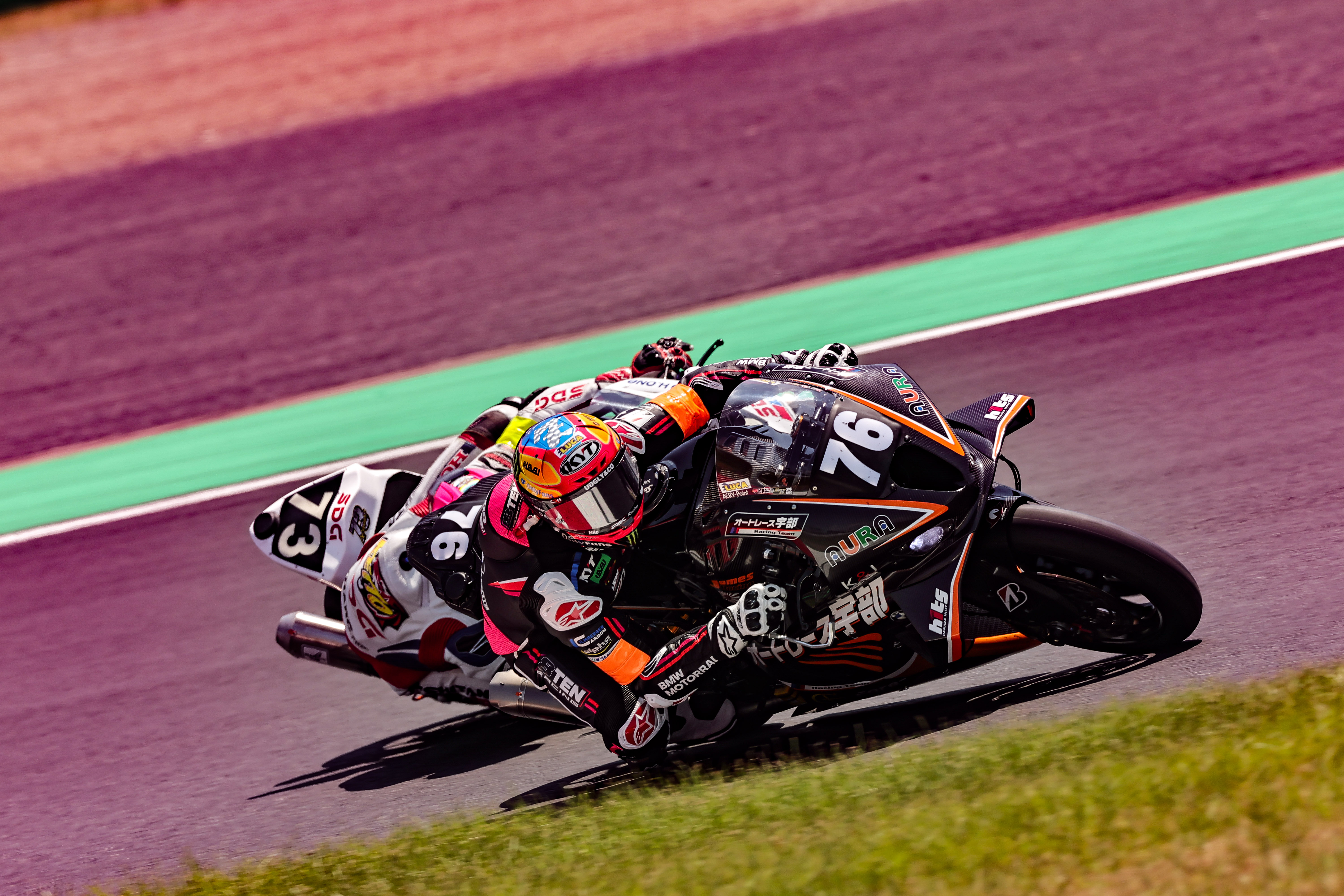
Like tail-to-nose, it expresses a close racing situation, but while tail-to-nose is a single file line, side by side indicates a side-by-side formation. When this occurs on a straight, it is called side by side for two bikes, three-wide for three, and four-wide for four. The phrase "side-by-side battle" can also be interpreted as battles of overtaking and being overtaken happening repeatedly everywhere, including in corners.
- Stint
-
In the Suzuka 8 Hours, the traditional strategy is for one Rider to return to the pit after about one hour of riding for refueling, tire changes, and Rider changes. The amount of time allocated to this one Rider is called a stint, and to complete the 8 hours, there are 7 pit stops and 8 stints. However, in recent years at the Suzuka 8 Hours, some teams have been observed making pit stops only for refueling or for refueling and Rider changes in the final stages of the race, adopting a strategy of 8 pit stops and 9 stints.


- Works / Factory
-
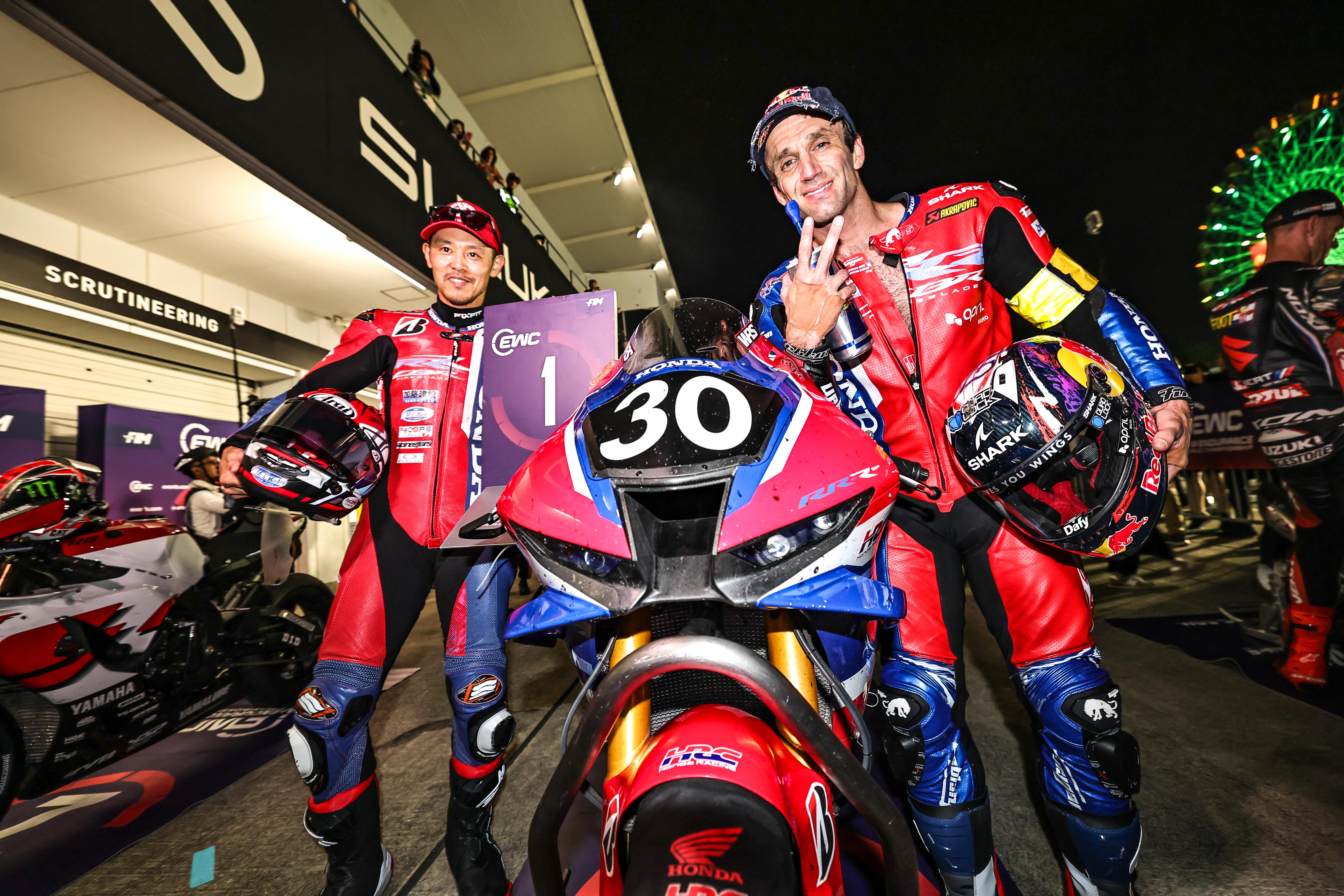
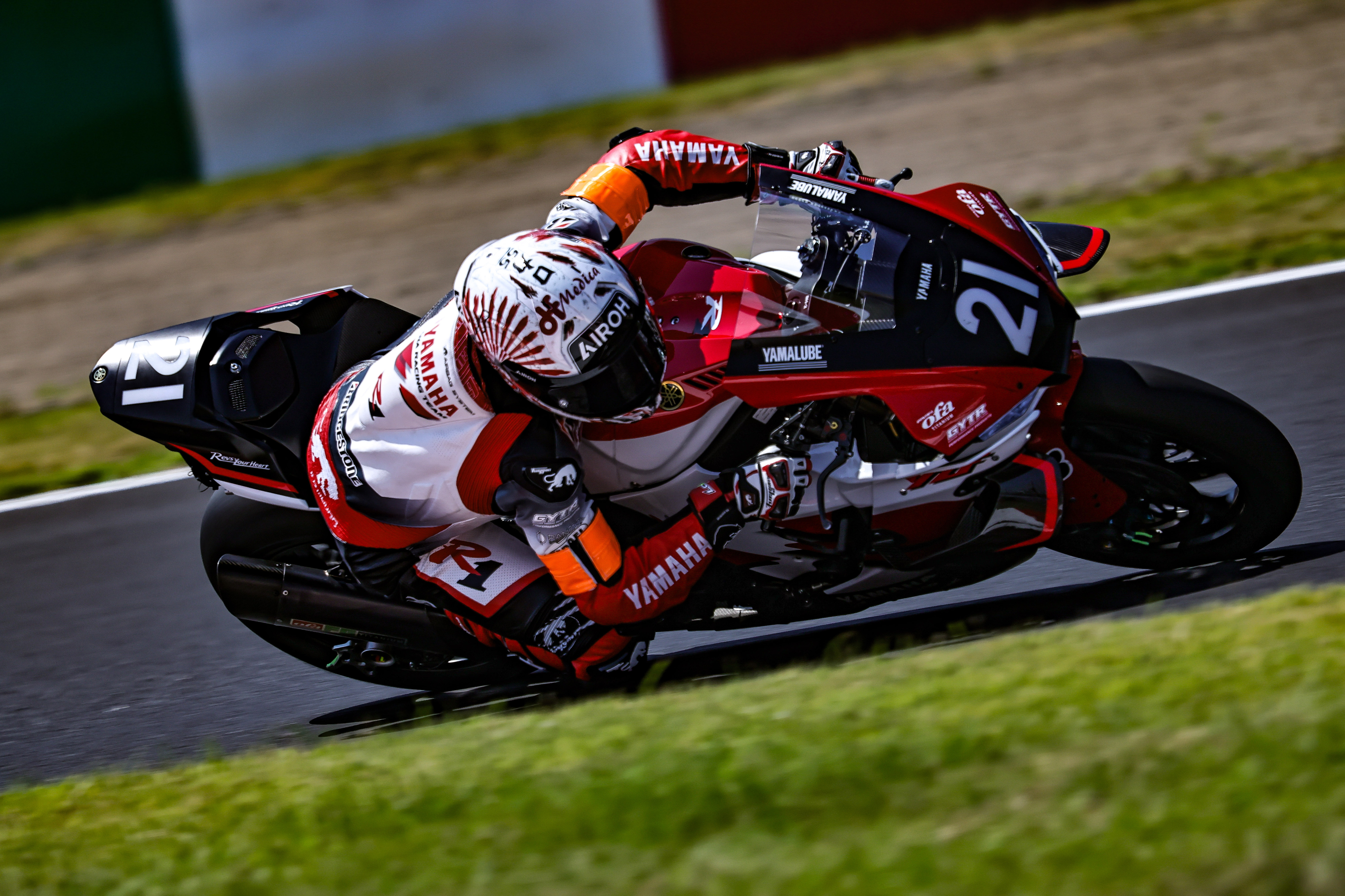
Works and Factory have the same meaning, both referring to teams directly operated by manufacturers. Honda tends to use 'Works,' while YAMAHA tends to use 'Factory.'
- Private Team / Privateer
-
In addition to works/factory teams, there are satellite teams. These are teams supported by manufacturers and use machines with combat power equivalent to works/factory teams, so-called works/factory machines, and also employ riders from the manufacturers, known as works/factory riders. Broadly speaking, teams other than works/factory/satellite are called private teams/privateers. These include racing teams established by companies different from the manufacturers, teams sponsored by companies other than the manufacturers, and teams formed by gathering various sponsors, with various forms.
- Top 10 Trial
-
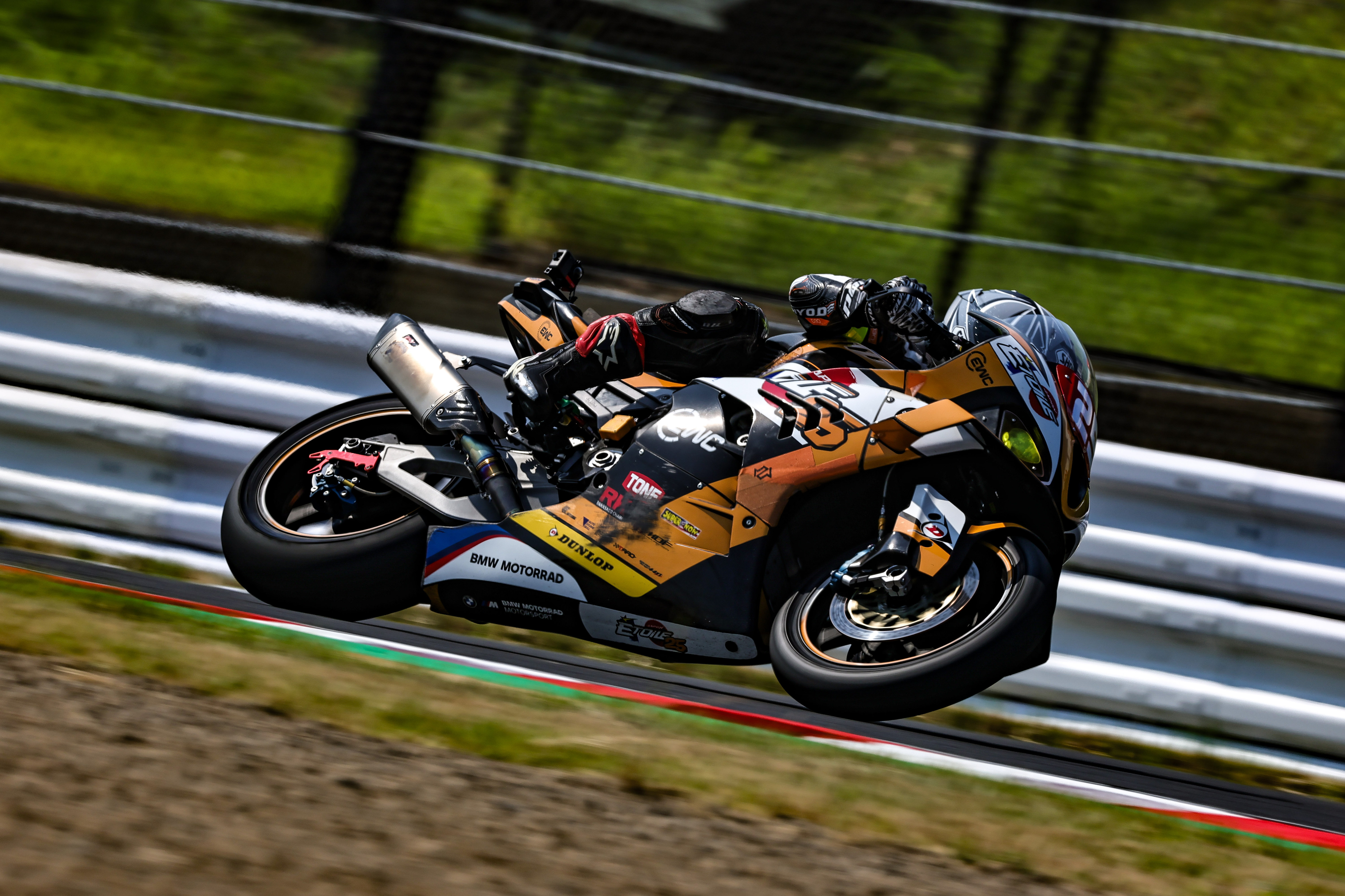
The Top 10 Trial, held on the Saturday before the final race, features the top 10 teams that advance based on the timed qualifying results from the Friday two days before the final race. This special qualifying session determines the starting grid positions from 1st to 10th place. Two riders are selected from each team, making a total of 20 riders who each take turns to perform a time attack and compete for the best lap time. With clear laps guaranteed and riders aiming for fast times, the Top 10 Trial is known for bringing out the riders’ fighting spirit and has become one of the highlights of the Suzuka 8 Hours.


However, according to FIM rules, only times set during the race are recognized as course records, so even if a fast time is recorded in the Top 10 Trial, it is treated as a reference record. Nevertheless, the approximately two-minute serious attack by world-class Riders and Japan’s top Riders is an otherworldly thrill, excitement, and suspense.
In the 2025 Suzuka 8 Hours, Honda HRC's Johann Zarco, a MotoGP™ rider, demonstrated the full power of a MotoGP™ rider by setting the pole position time. Meanwhile, Jack Miller, a MotoGP™ rider from the YAMAHA RACING TEAM, caused a stir in the venue with a miraculous pace approaching the 2-minute 3-second mark until he crashed at the final chicane.
- Safety Car
-
The Safety Car is ideally not needed during the race or throughout the race week’s running sessions. It intervenes when the track becomes dangerous due to accidents, troubles, incidents, or bad weather. At the long east-west SUZUKA CIRCUIT, one Safety Car enters the course from the East Course and another from the West Course. Yellow flags and SC boards are displayed at each marshal post, and overtaking is prohibited for all cars during this period.
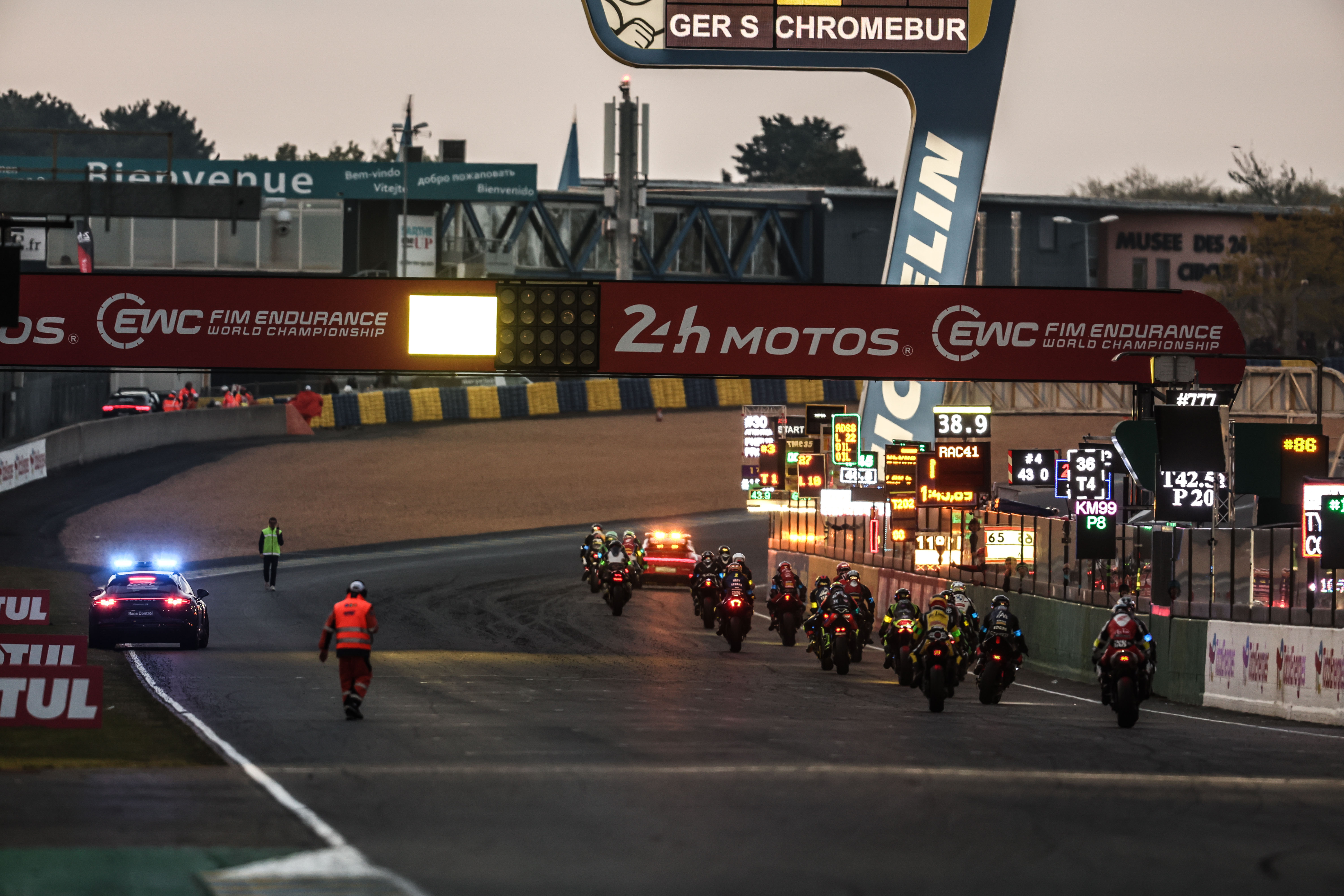
When the dangers on the course have been cleared, the Safety Car leaves the track. The race then restarts in a manner similar to a rolling start.
- Yellow / Red / Green / Checkered Flags
-
Not only at the Suzuka 8 Hours but also in many other races, you will frequently see the Yellow Flag / Yellow Light and the Green Flag / Green Light.
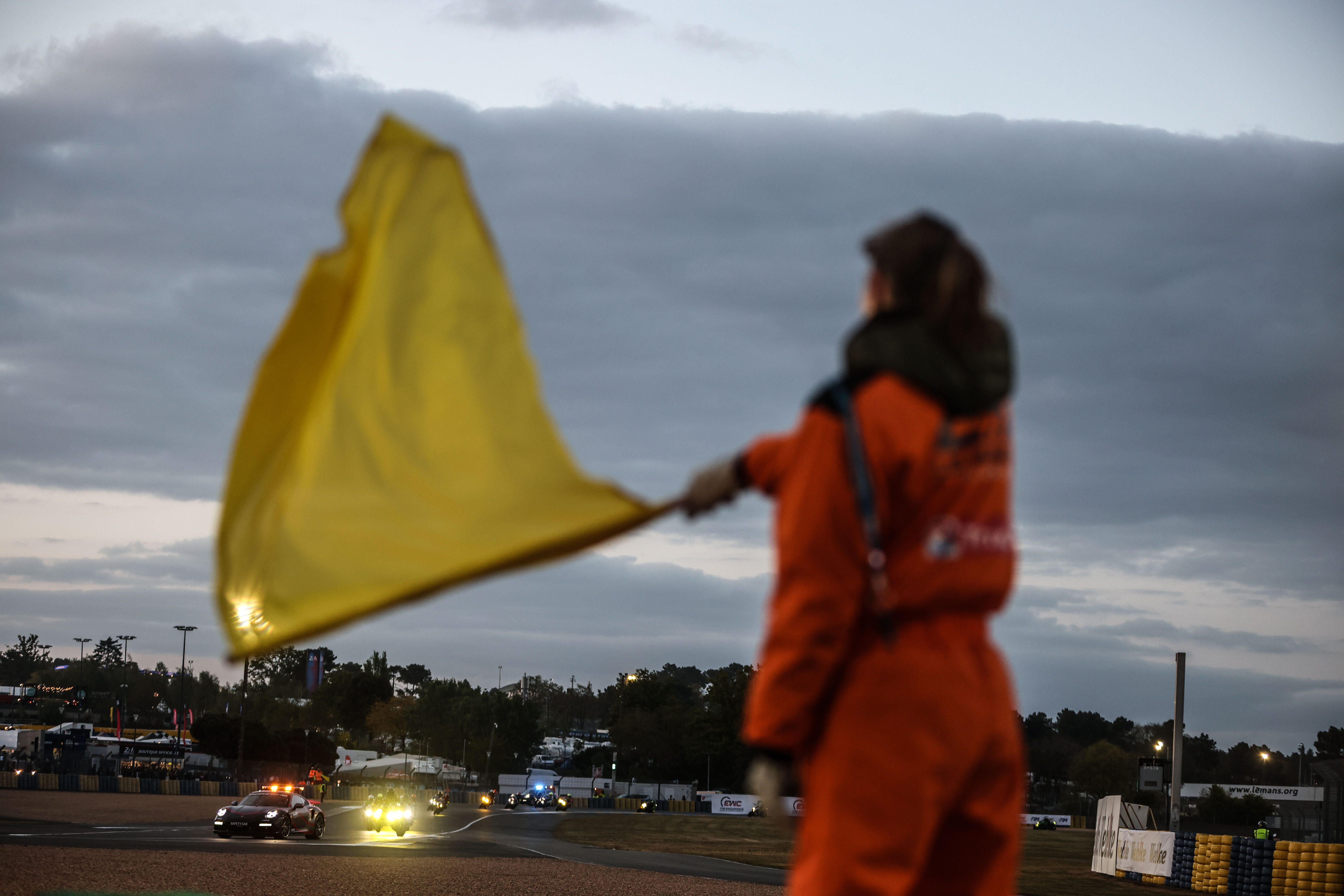
The yellow flag/yellow light indicates a hazard ahead, such as a fallen rider, and overtaking is prohibited in this section. The green flag/green light signals the cancellation of any previously displayed flags/lights, including the yellow flag/yellow light.
On the other hand, the red flag/red light is something you rarely want to see. When it is shown, Riders must promptly return to the pit. It indicates that an incident requiring the stoppage of running has occurred on the course, such as when dealing with a widespread oil spill.
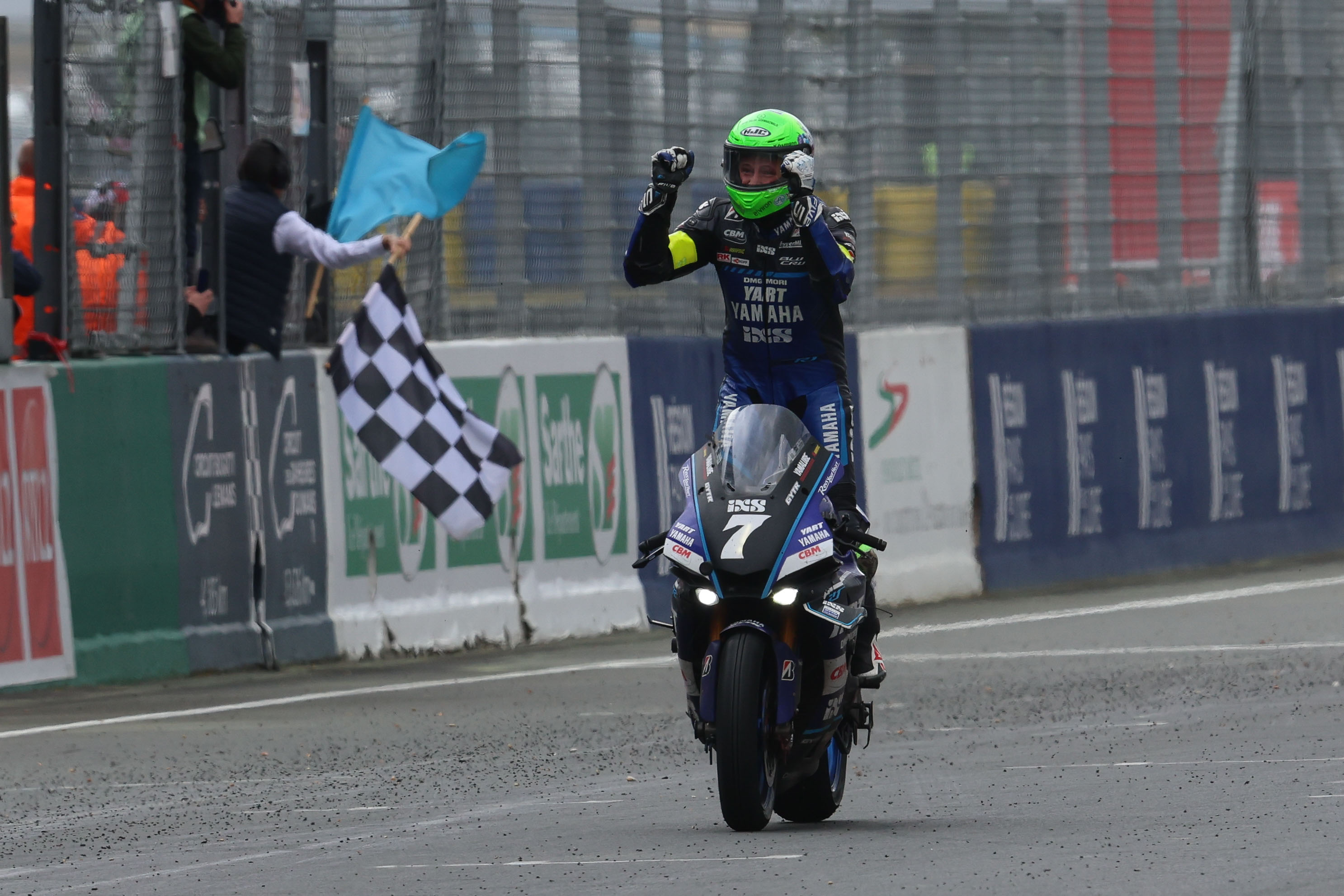
And the checkered flag signals the end of the long battle. Everyone has been striving to cross under this flag.
- Routine
-
In the strategy for the Suzuka 8 Hours, the conventional theory of pitting every hour—essentially the pit stops planned by the team from the start—is called the routine.


