August 6, 2026
A Must-See for GT Fans: The Appeal of the "SUZUKA 1000Km" Bringing Together the World's GT3
Introducing the Unique Appeal of Endurance Battles Different from SUPER GT
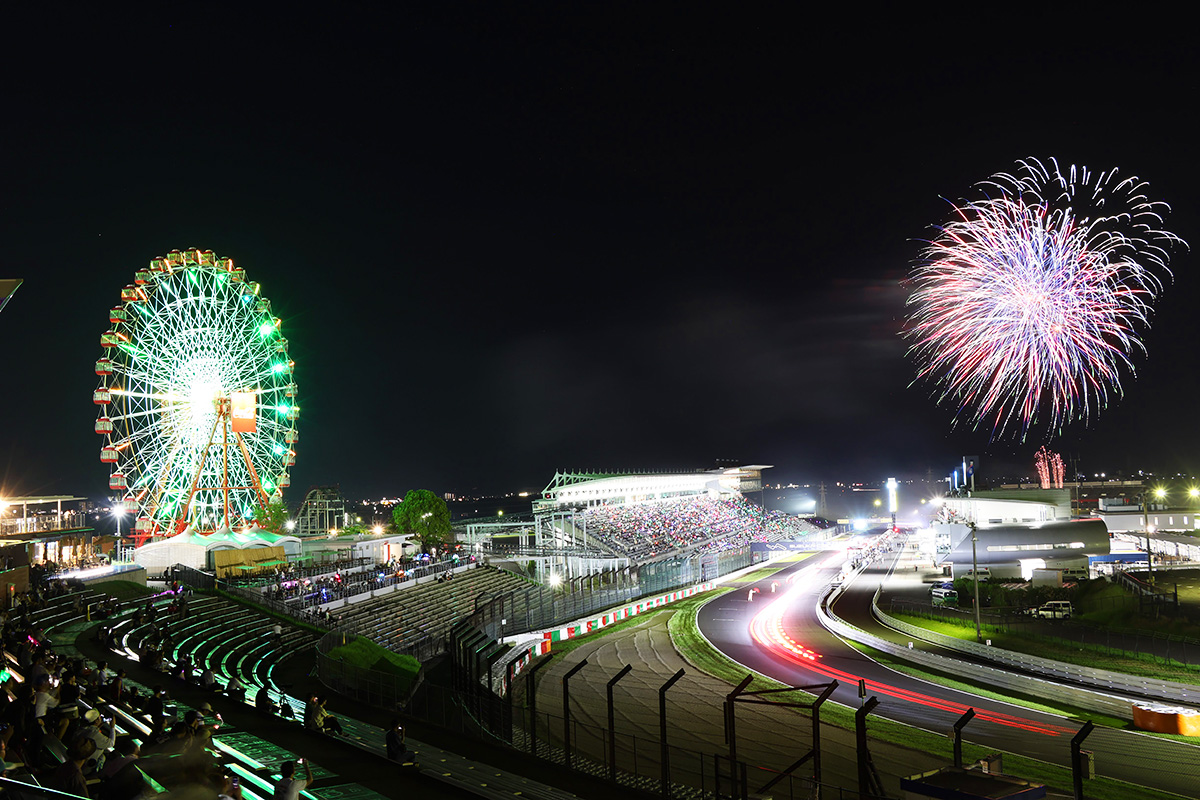
The traditional SUZUKA 1000Km is coming again this year. It will be held from September 11 (Fri) to 13 (Sun). GT3 machines from around the world will gather at the summer SUZUKA CIRCUIT, sparking fierce battles on the racing course that has hosted numerous legendary matches.
The first SUZUKA 1000Km race was held in 1966, 60 years ago. Since then, it has developed year by year as a venue for automobile manufacturers to compete in technological prowess. Different categories have battled through the eras, including Group C (a prototype car category from the 1980s to 1990s), JGTC (All Japan GT Championship), and SUPER GT, making it a traditional four-wheel summer endurance race at SUZUKA CIRCUIT. In 2018 and 2019, it was held as the "SUZUKA 10 Hours Endurance Race," and it was revived again as the "SUZUKA 1000Km" in 2025. This year, as the milestone 50th Summer Endurance race, the world’s top contenders will once again gather at Suzuka.
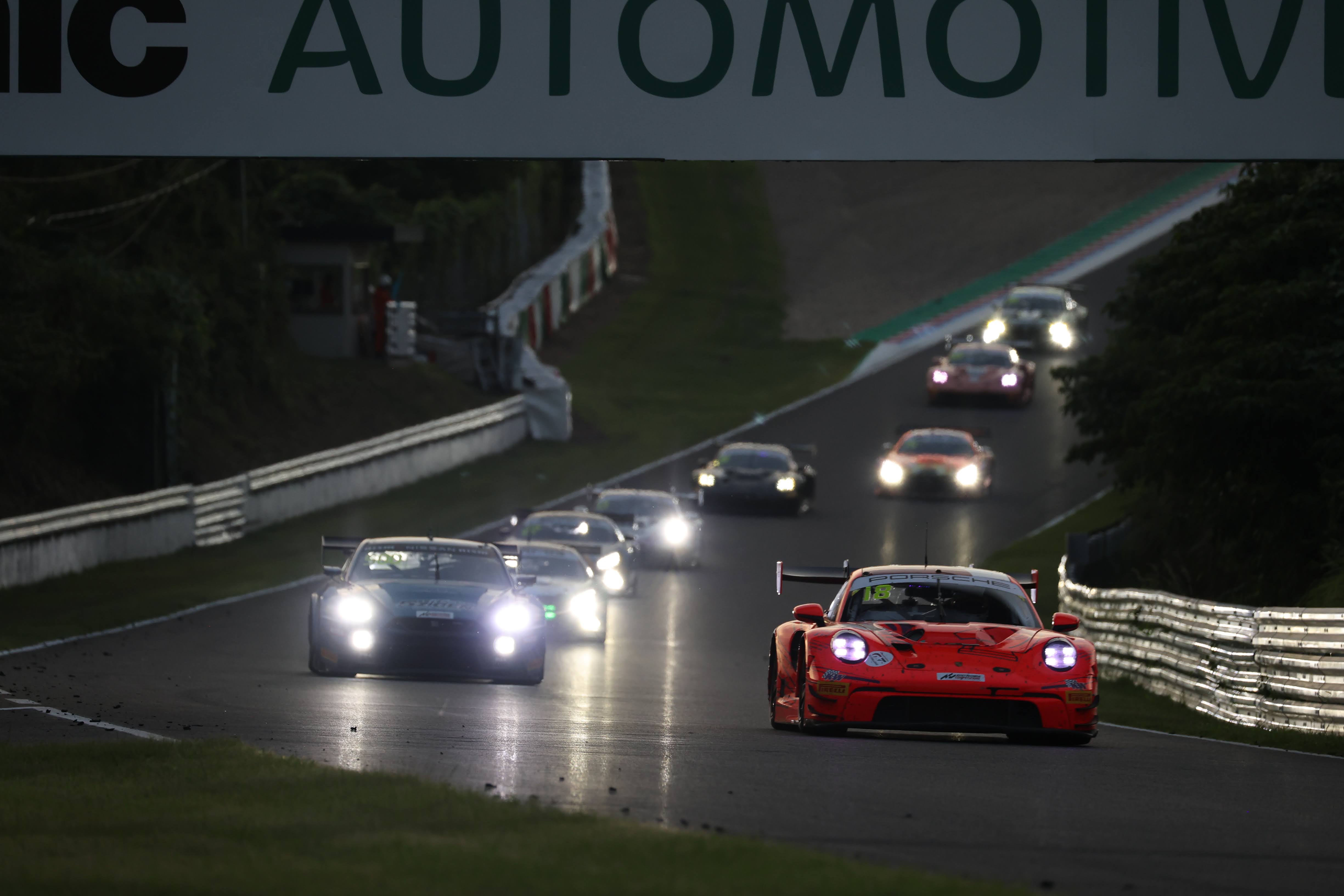
This race is currently held as a round of the GT3 series "IGTC (Intercontinental GT Challenge)," which tours renowned circuits around the world. Participating teams come from diverse regions including Europe, Asia, and Oceania, with top teams backed by various manufacturers aiming for the pinnacle of endurance racing. The competing machines are all GT3 cars proudly produced by the world’s leading automakers such as Mercedes-AMG, BMW, Audi, Porsche, Ferrari, Chevrolet, Nissan, and Lexus.
33 cars entered the 2025 event, bringing together strong teams with factory drivers from each manufacturer. Among them, 10 Japanese teams also participated. Although this year’s entry list has not yet been announced, teams active in the SUPER GT GT300 class are expected to join, making the GT3 showdown between world factory drivers and Japanese teams a major highlight.
All vehicles participating in the IGTC are FIA GT3-spec machines. Each team registers 2 to 3 drivers, who are classified into categories such as Professional, Pro-Am, Silver, and Bronze based on their achievements and experience. Correspondingly, the competition classes are determined, ranging from the top class composed solely of professionals to classes mainly for amateurs, allowing a wide variety of battles to unfold simultaneously.
What is particularly noteworthy here is the difference from SUPER GT, which is familiar to Japanese fans. The biggest points are the tires used and the race format. FIA GT3 machines also participate in the GT300 class of SUPER GT, but IGTC uses a single-make tire from Pirelli. Therefore, there is no development competition or strategic play between tire manufacturers as seen in SUPER GT.
Furthermore, the qualifying session uses a unique system where the ranking is determined by the average time of three drivers. The final race, as the name suggests, is a long-distance battle, making it a grueling race that covers more than three times the distance of the 300km races that have become mainstream in recent SUPER GT events.*
*The Suzuka 1000km final is conducted as a 6 hour and 30 minute timed race, based on the approximate time to complete the 1000km race distance.
In IGTC, the performance differences between each car are equalized through BoP (Balance of Performance) adjustments set by the SRO, which oversees the global GT3 series. Therefore, in the final race, the drivers' consistent race pace and the teams' strategic capabilities greatly influence the outcome. The timing of pit stops, fuel calculations, tire management, and other endurance race-specific tactics are also not to be missed.
There are three major points of interest recommended for SUPER GT fans.
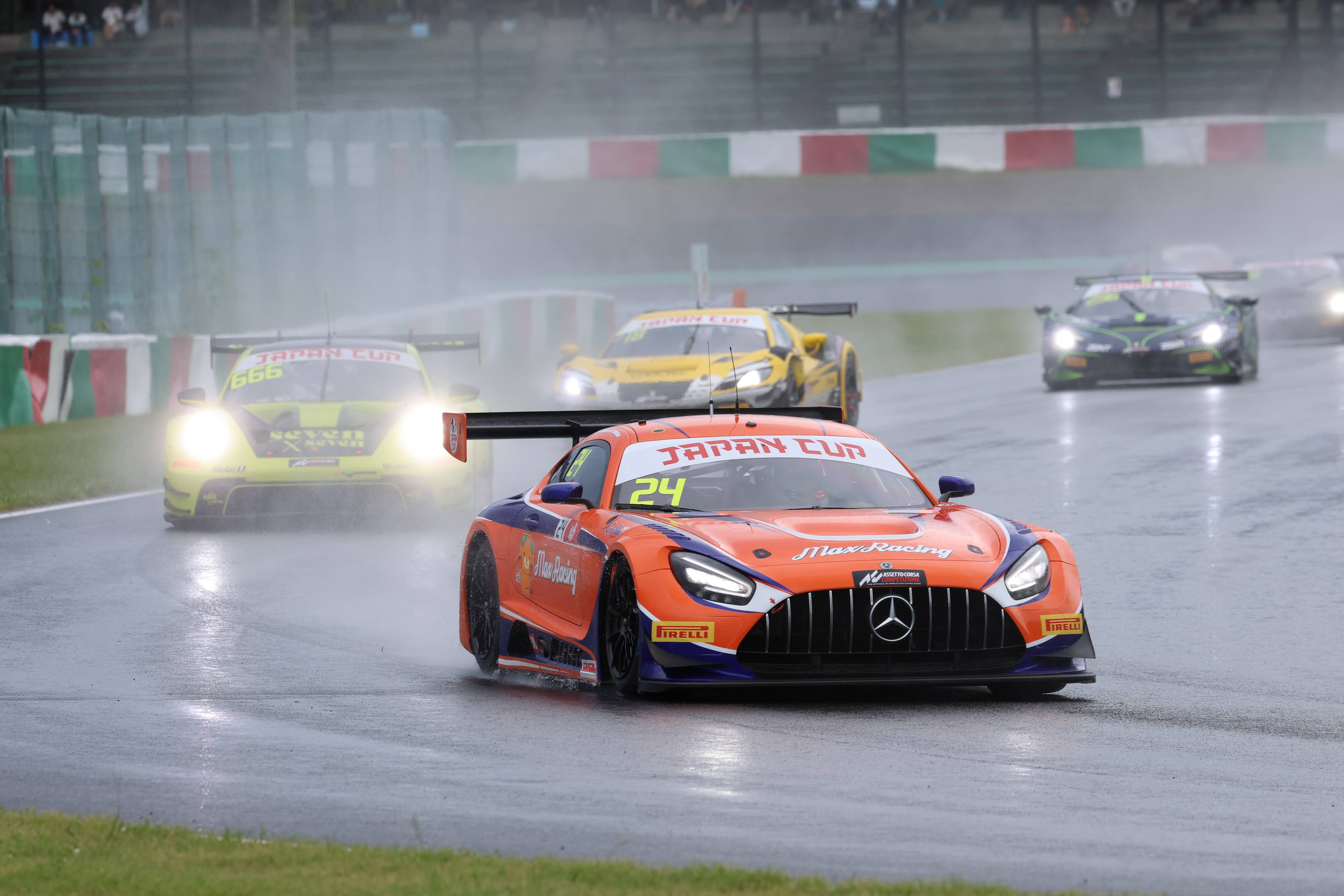
The first is the diverse competition of car models unique to GT3. Even among the same GT3 machines, vehicle characteristics vary greatly, with some cars excelling in straight-line speed and others competing on cornering performance, each having its own individuality. How each machine tackles the SUZUKA CIRCUIT Racing Course, especially the differences in racing lines at the S Curves and Spoon Curve, tends to be distinctive, so please pay close attention while watching.
The second point is the drama unique to long-distance races. Of course, there is the intense battle for position right after the start, but in a grueling 1000km race, unpredictable developments continuously arise, such as changes in temperature and track conditions, and strategic fluctuations caused by the deployment of the safety car.
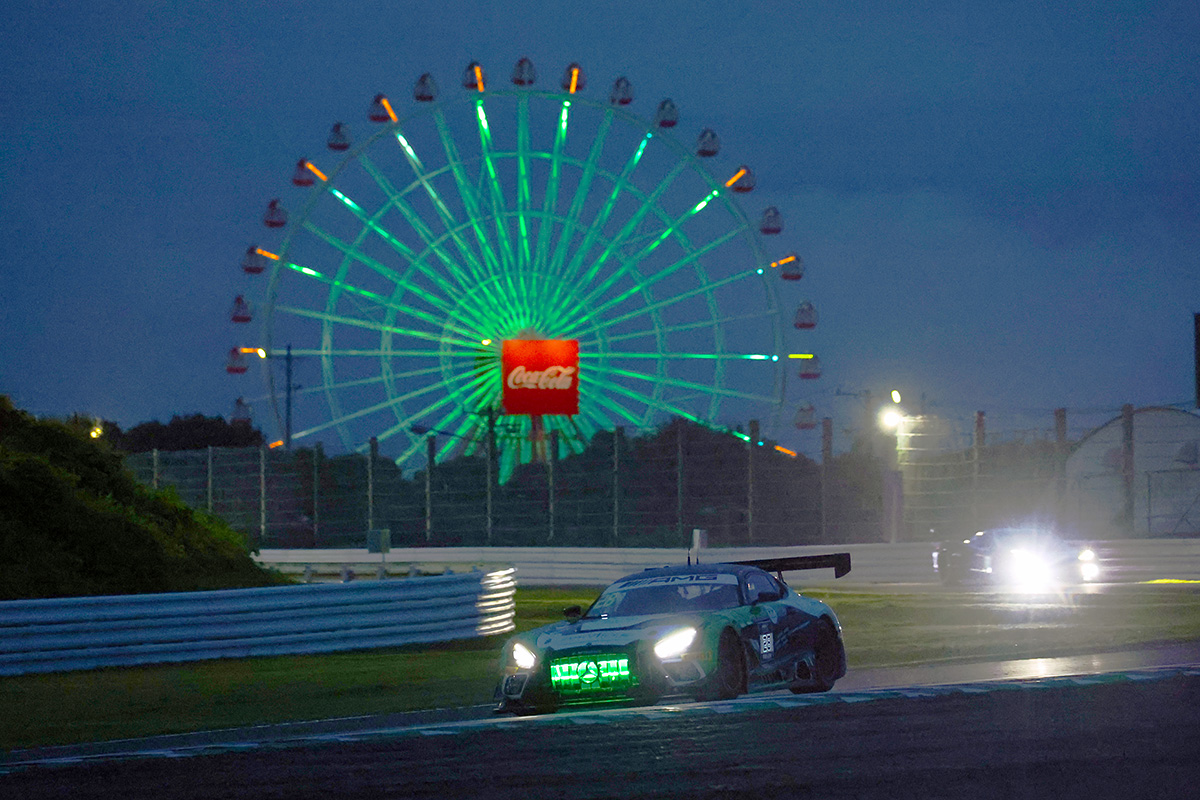
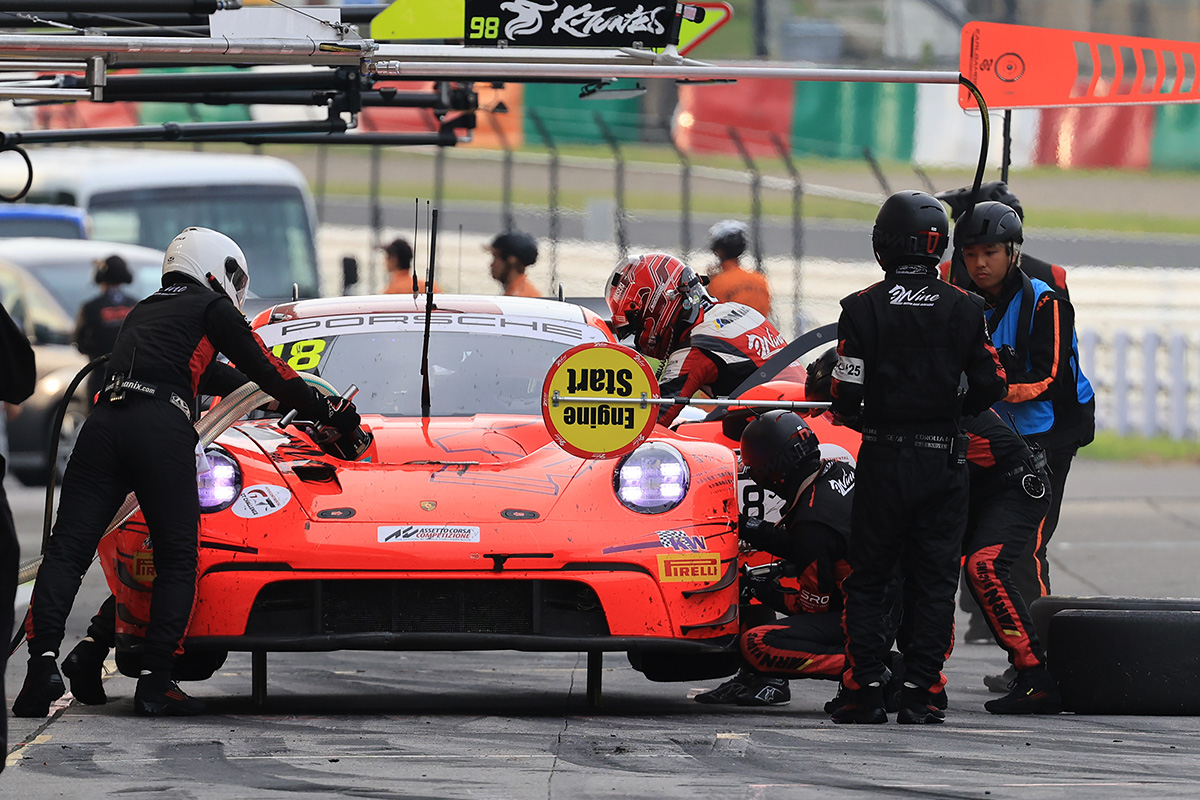
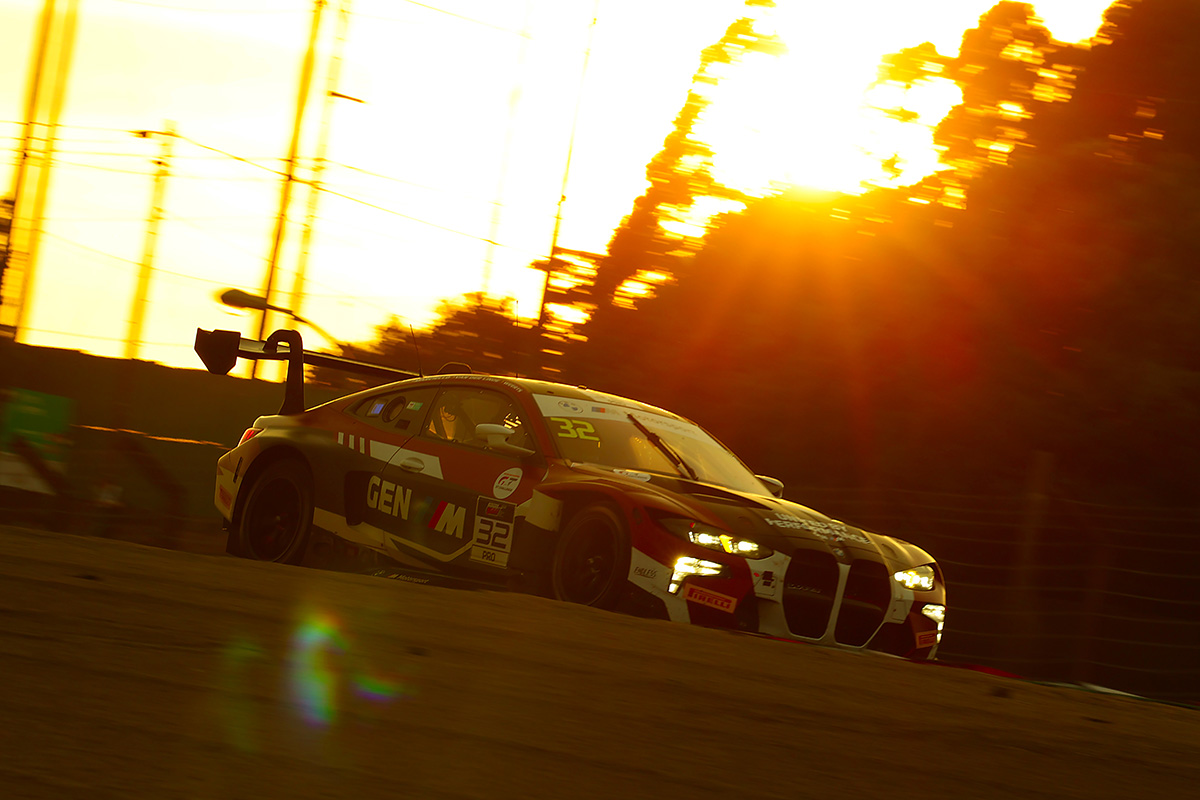
Another attraction is how the circuit’s appearance dramatically changes with the time of day—from the strong midday sunlight to the backlight at dusk, and then to the light trails drawn by headlights at night. Additionally, the tension of pit work such as refueling, tire changes, and driver swaps, which can influence the race outcome, is a unique thrill of endurance racing.
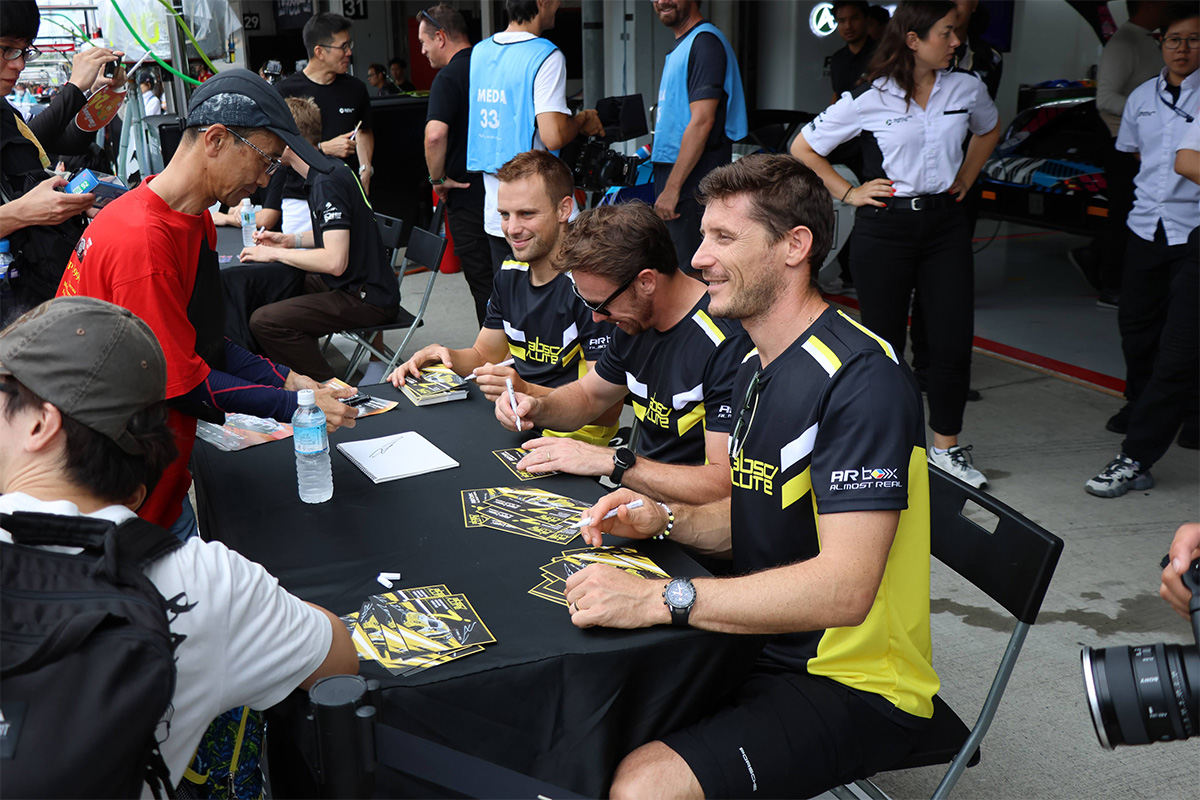
And thirdly, there is the unique atmosphere of a world championship. The vibe in the garages of overseas teams and the tension among factory drivers from various countries offer an appeal not found in domestic series. At the same time, the driving displayed by these world-class drivers is also a highlight. The consistent lap times of GT factory drivers, the focus of amateur drivers challenging under pressure, and the sight of Japanese competitors taking on the world’s top contenders all unfolding on the same stage is undoubtedly one of the great attractions unique to this race.
This year’s Suzuka 1000Km marks the milestone 50th running. It will be a special three days where the profound depth of global GT racing meets the tradition nurtured by Suzuka Circuit. We hope you will experience the allure of the world’s premier GT3 endurance race live at the venue.


.jpg.jpg)