


Suzuka 1000km Endurance Race Past Winners 1966-2025 PART.2
Renovation to an International-Standard Course, Revival of the 1000km, and the Arrival of the Group C Era
9th Race: 1000km Returns After 7 Years August 31, 1980
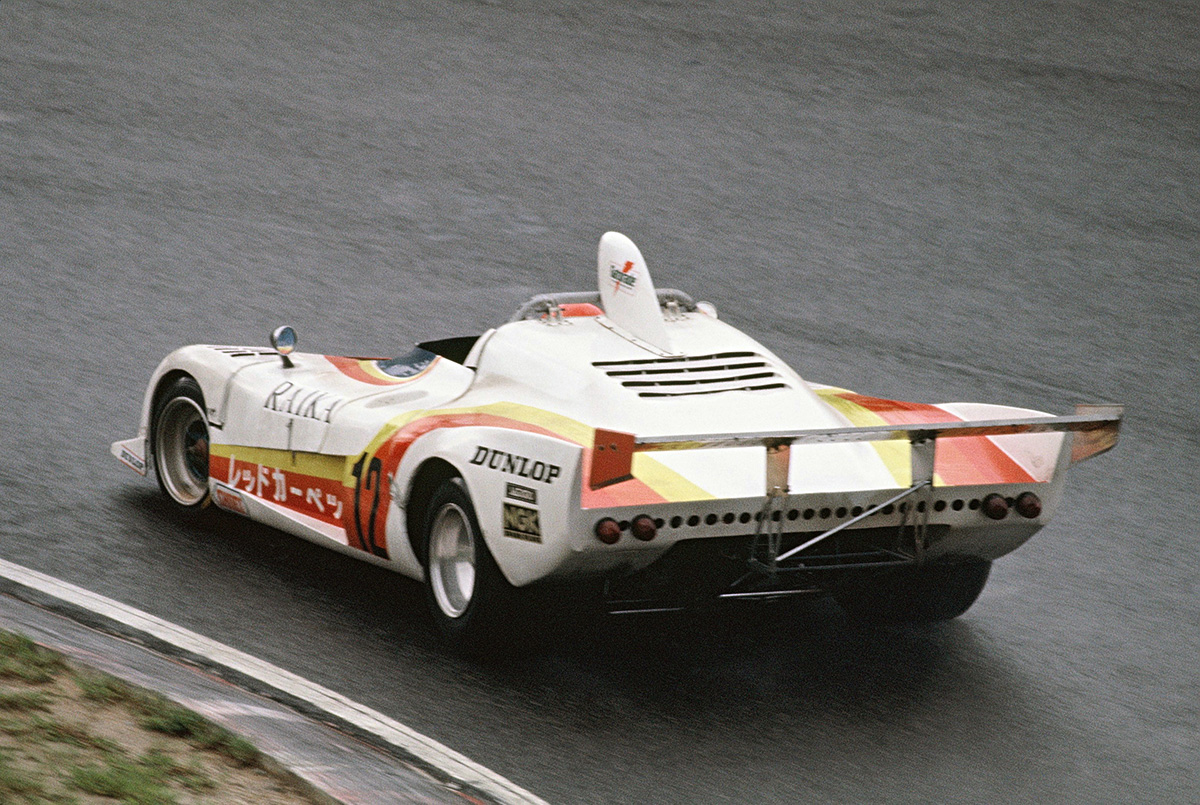
| Rank | Class | Driver (Machine) |
|---|---|---|
| 1st place | R-1 | Hironobu Tatsumi / Naoki Nagasaka (March 75S) |
| 2nd place | R-2 | Fumiyasu Sato / Taku Akaike (March 73S) |
| 3rd place | TSⅠ-1 | Hikaru Hagiwara / Sakae Obata (Nissan Sunny) |
| 4th place | TSⅠ-2 | Fukumi Taketake / Kunio Nagamatsu (Honda Civic) |
| 5th | TSⅠ-3 | Isao Sasano / Hiromi Nishino (Nissan Sunny) |
| 6th place | TSⅡ-1 | Fumio Inagaki / Masaaki Imai (Savanna RX-3) |
| 13th place | TSⅤ-1 | Kazuyoshi Sakamoto / Kenji Itani (Mazda RX-7) |
Winning car record / 6 hours 24 minutes 21.876 seconds 876.004 km × 148 laps 888.592 km
※Due to regulations, the checker was shown at 6 hours and 30 minutes
41 starters, 21 finishers
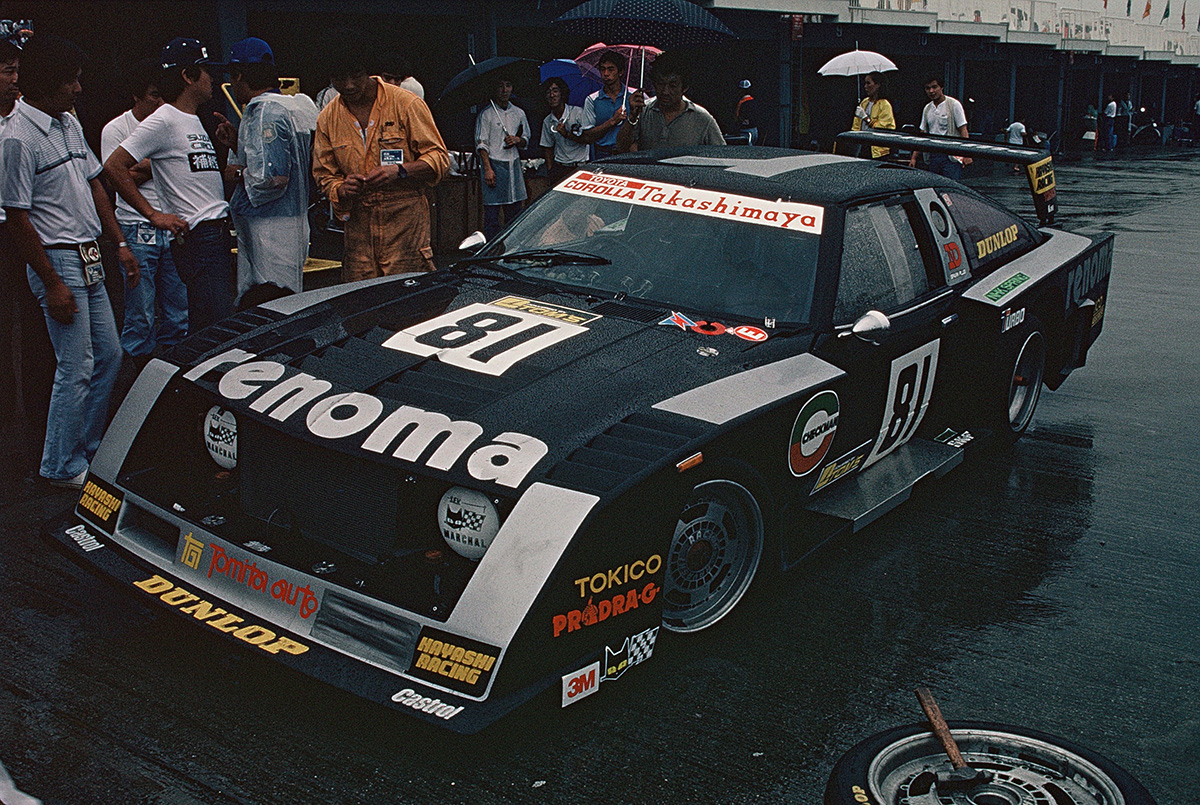
Starting from the very back, the Celica overtook nearly 20 cars at the start but retired due to engine trouble.
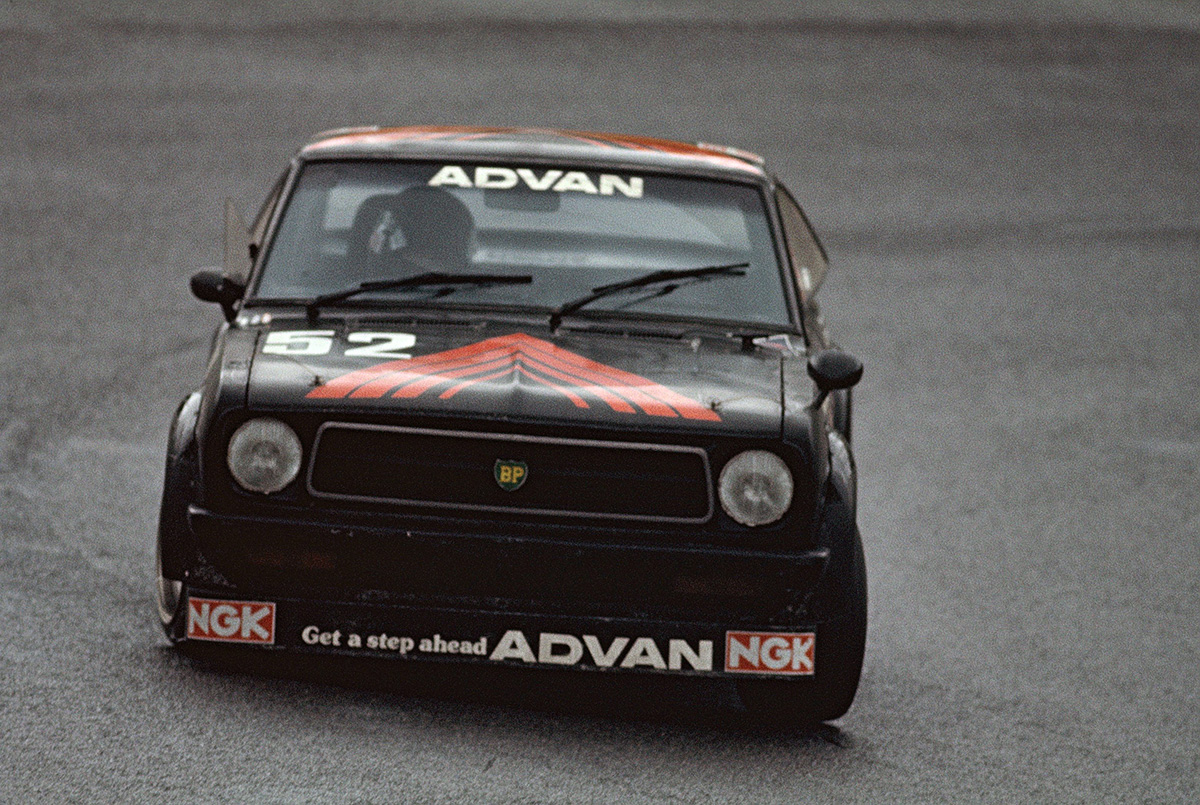
Despite having a 1.3L engine, the Advan Sunny completed 136 laps, finishing 3rd overall and winning the TS1 class.
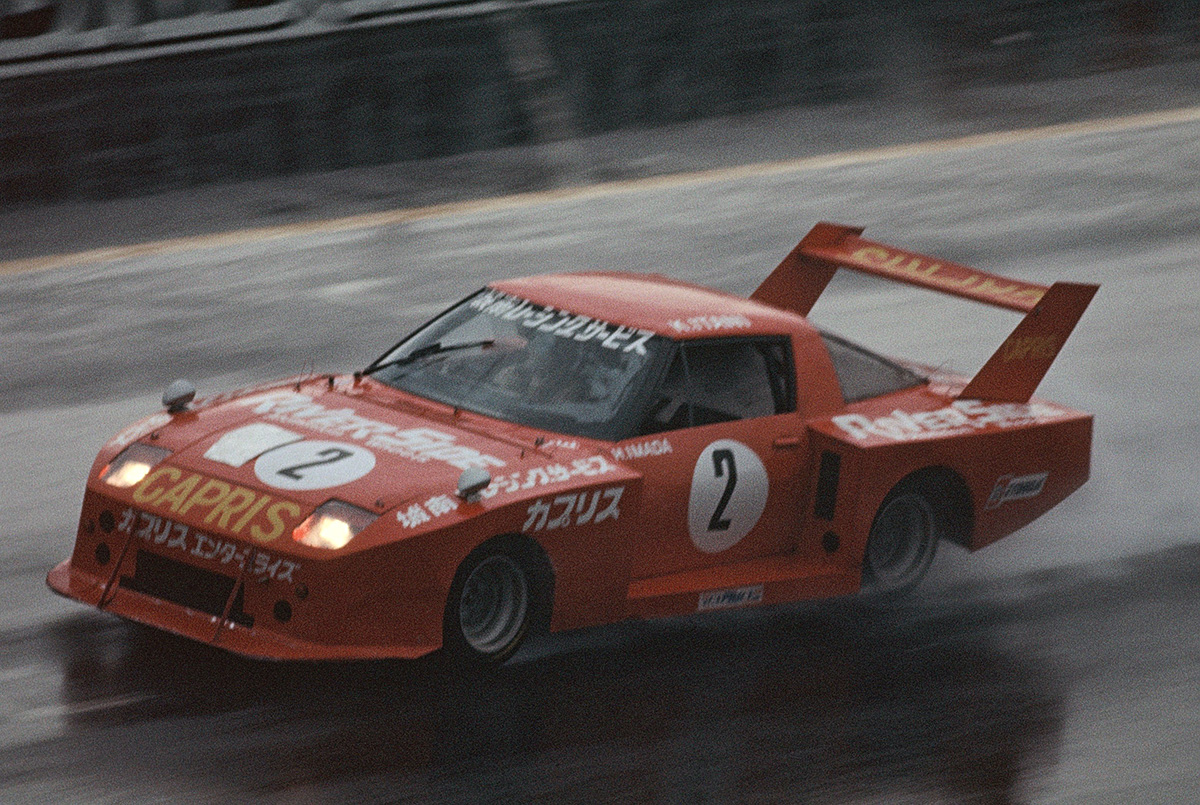
The RX-7, independently modified by privateers and entering endurance races one after another, finished 13th overall.
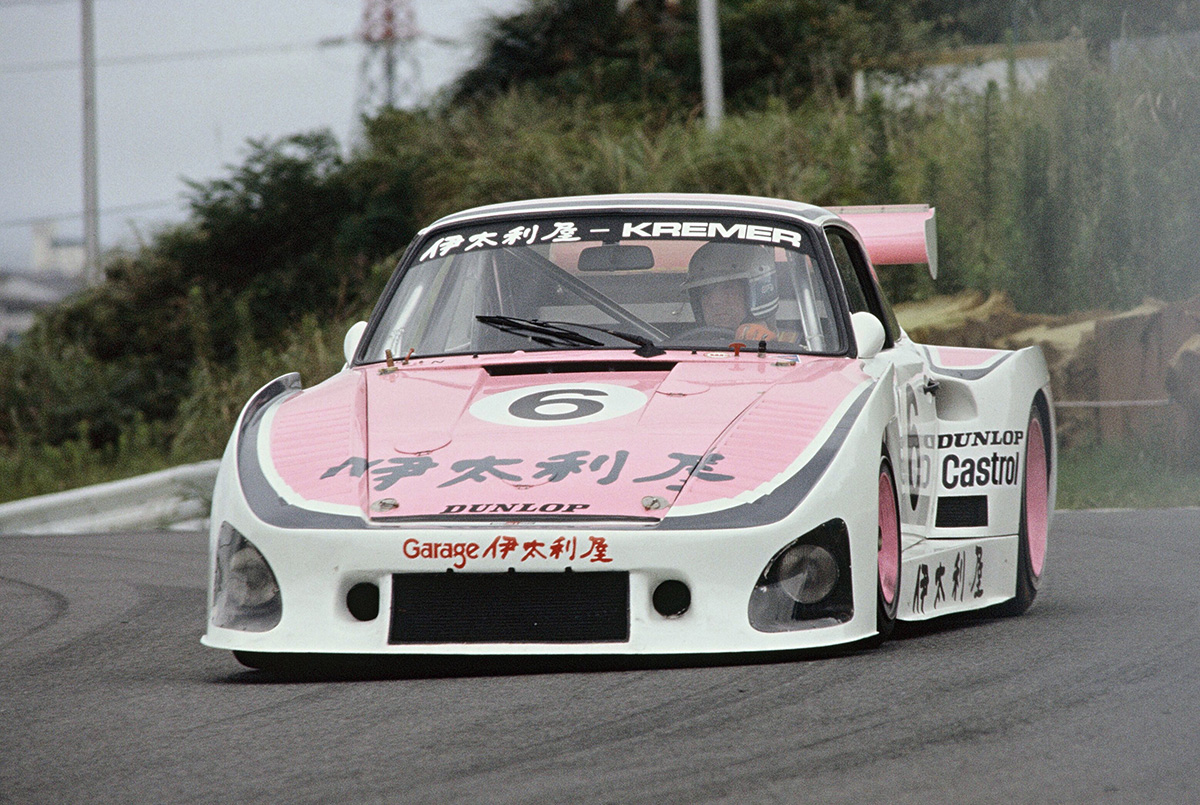
Held as the 10th International Event, Top Teams from Around the World Participated October 1, 1981
| Rank | Class | Driver (Machine) |
|---|---|---|
| 1st place | B-1 | B. Wollek / H. Pescarolo (Porsche 935K3) |
| 2nd place | B-2 | T. Trimmer / N. Nichol (Mazda 253) |
| 3rd place | B-3 | Yoshimi Katayama / K. Rudd (Mazda RX-7) |
| 4th place | A-1 | Takao Wada / Hikaru Hagiwara (Nissan Sunny) |
| 5th | B-4 | J. Sweeney / H. Greiner (Porsche RSR) |
Winning car record / 6 hours 51 minutes 20.566 seconds 566.00415 km × 167 laps 1002.693 km
32 starters, 16 finishers
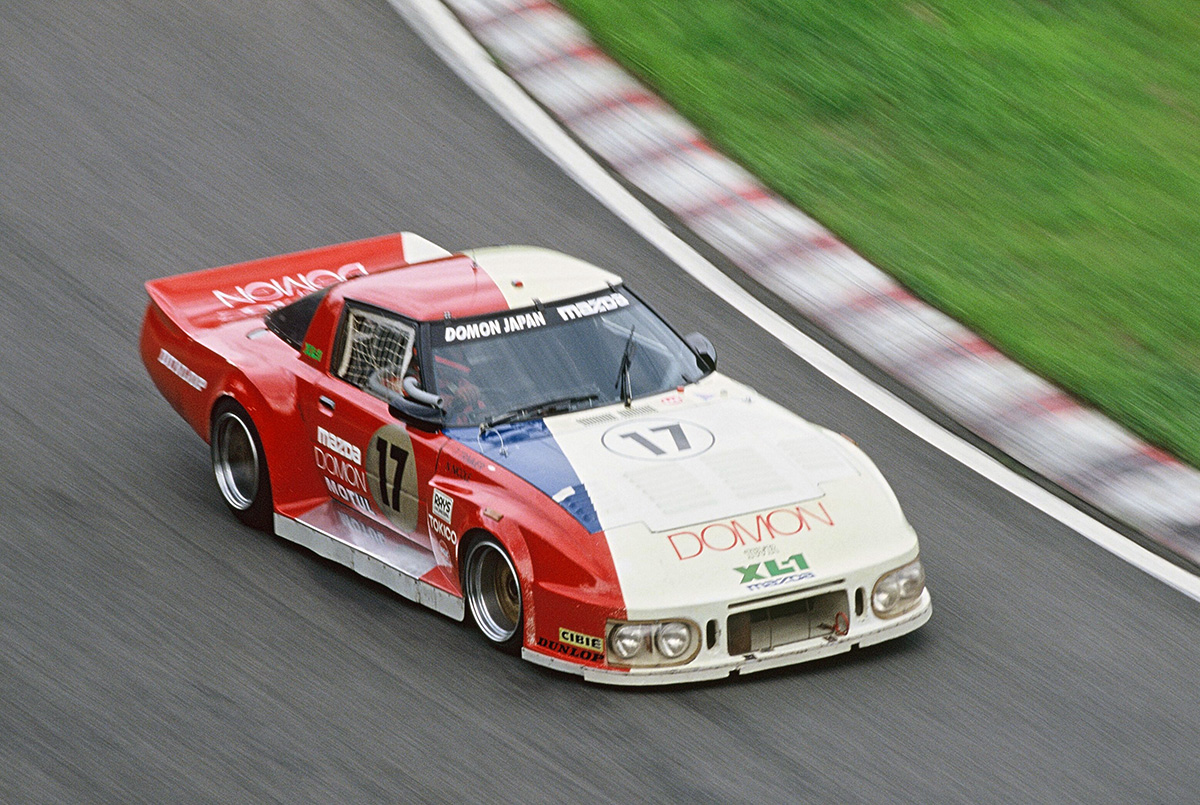
Two Mazda 235i cars participated in Le Mans, with #17 achieving a 2nd place podium finish.
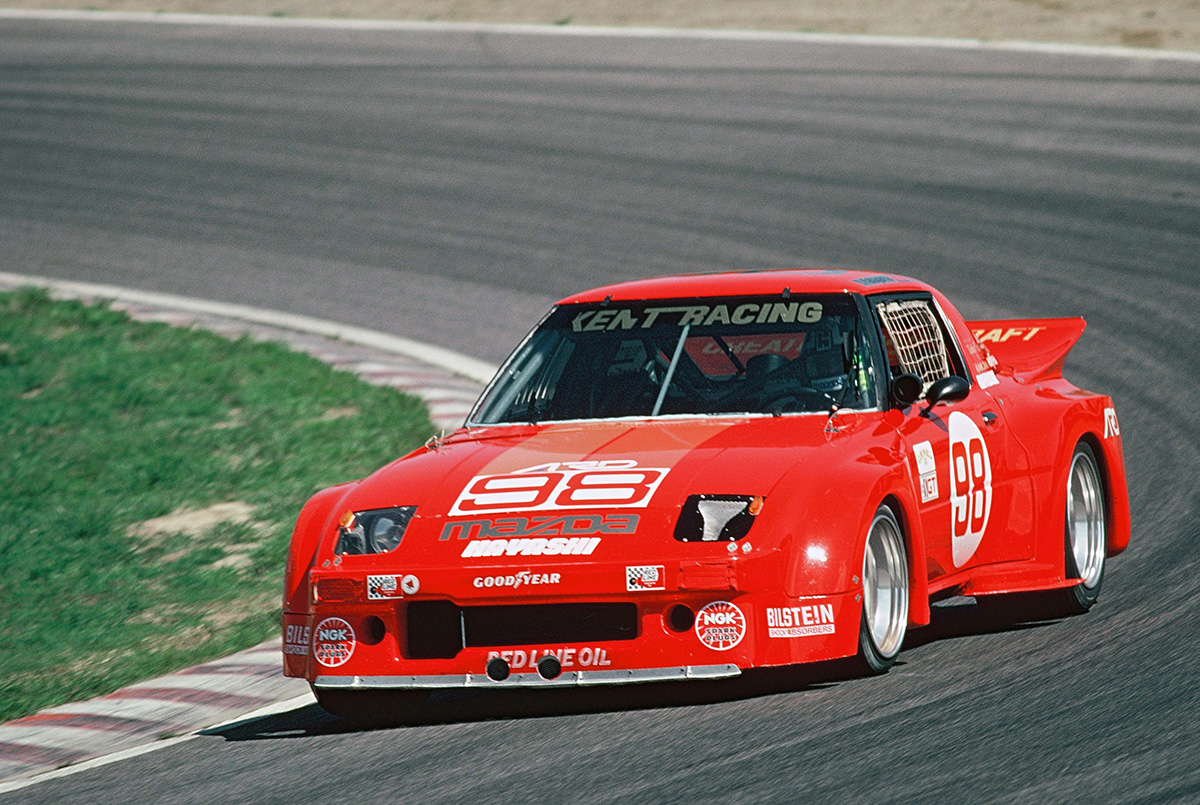
Yoshimi Katayama also participated in the Mazda RX-7 built to US IMSA GTU specifications, finishing in 3rd place.
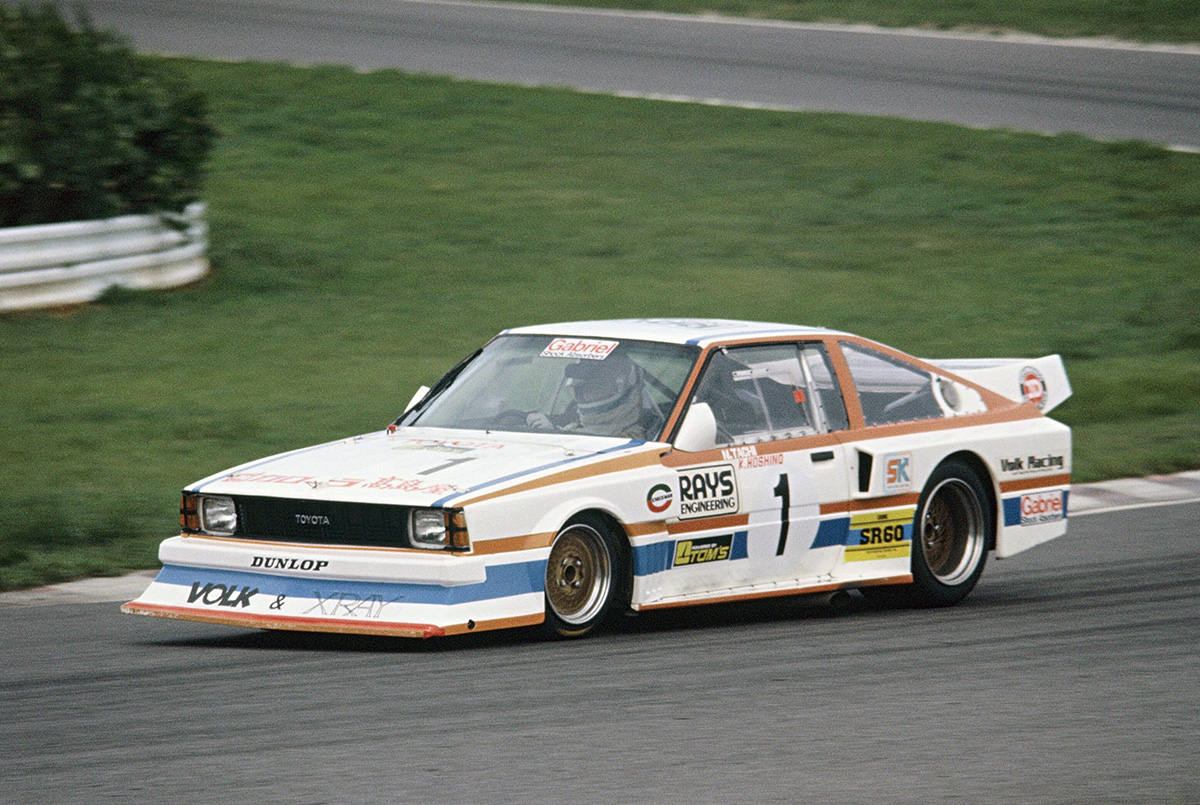
TOM'S built and entered two original Group 5 TOM'S Corollas.
An Important Match as the 11th WEC Prelude August 29, 1982
| Rank | Class | Driver (Machine) |
|---|---|---|
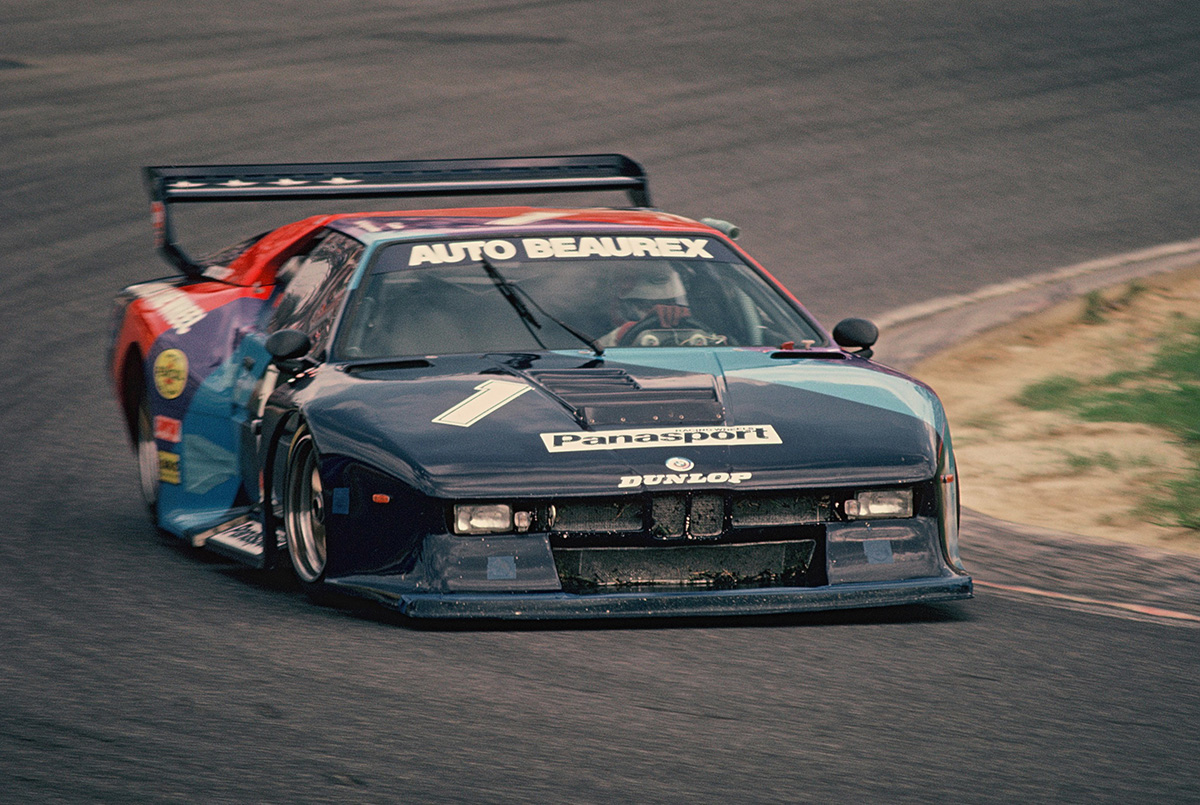
| 1st place | B-1 | Fumiyasu Sato / Naoki Nagasaka (BMW M1) |
| 2nd place | B-2 | Kazuyoshi Sakamoto / Kenji Itani (Mazda RX-7) |
| 3rd place | A-1 | Katsuaki Sato / Ken Mizokawa (Honda Civic RS) |
| 4th place | B-3 | P. Chau / Haruto Yanagida (Nissan Silvia) |
| 5th | A-2 | Tetsu Fujita / Shuji Fujii (Toyota Starlet KP61) |
Winning car record / 6 hours 42 minutes 41.926 seconds 926.00415 km × 167 laps 1002.693 km
38 starters, 18 finishers
* The Sato Fumiyasu / Nagasaka Naoki team was penalized one lap for ignoring the yellow flag.
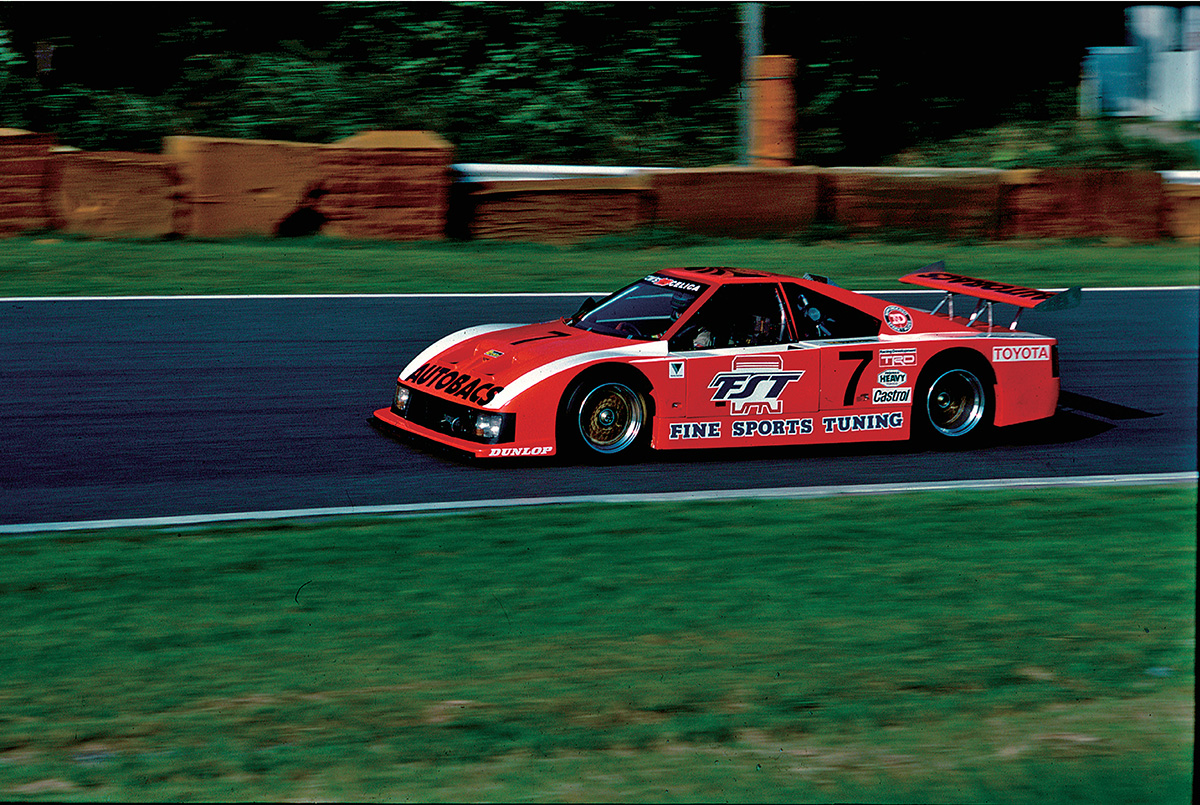
The first domestically produced Group C car, the "TOM'S Dome Celica IC," retired at the hairpin after the start.
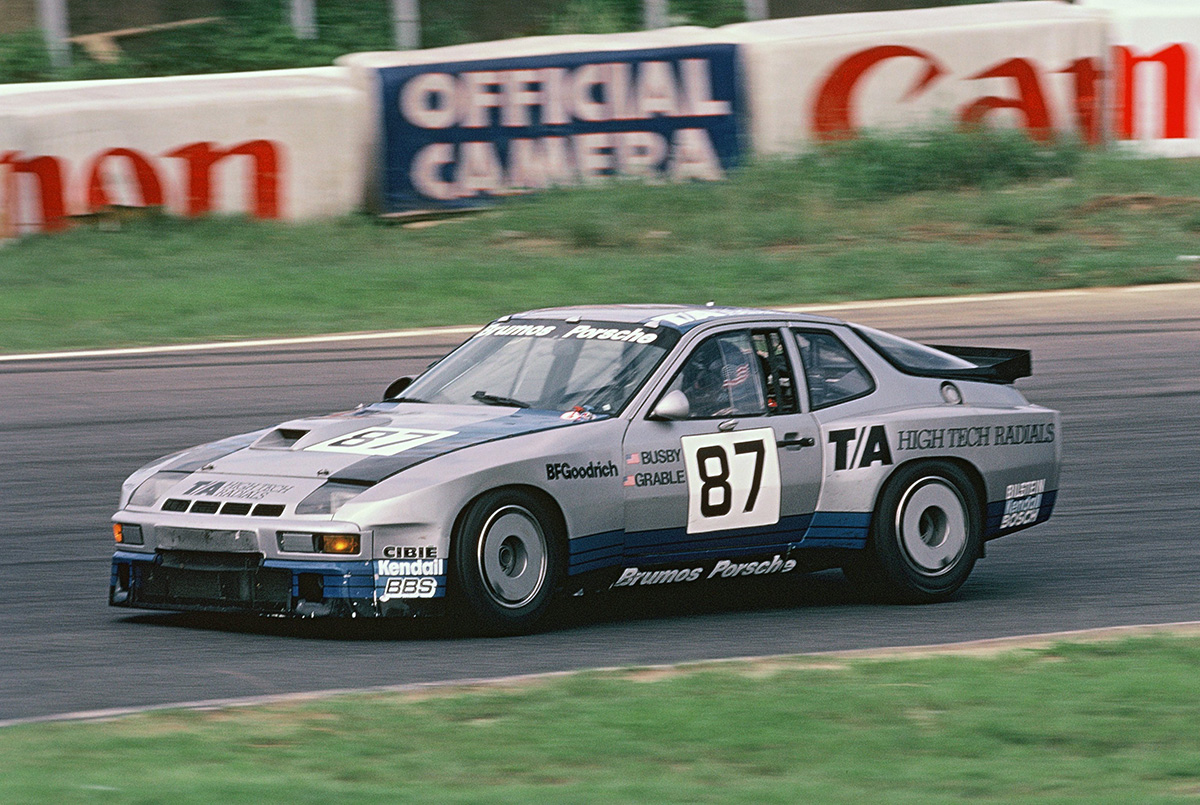
Porsche 924 competed on the rare BF Goodrich tires and finished 6th overall.
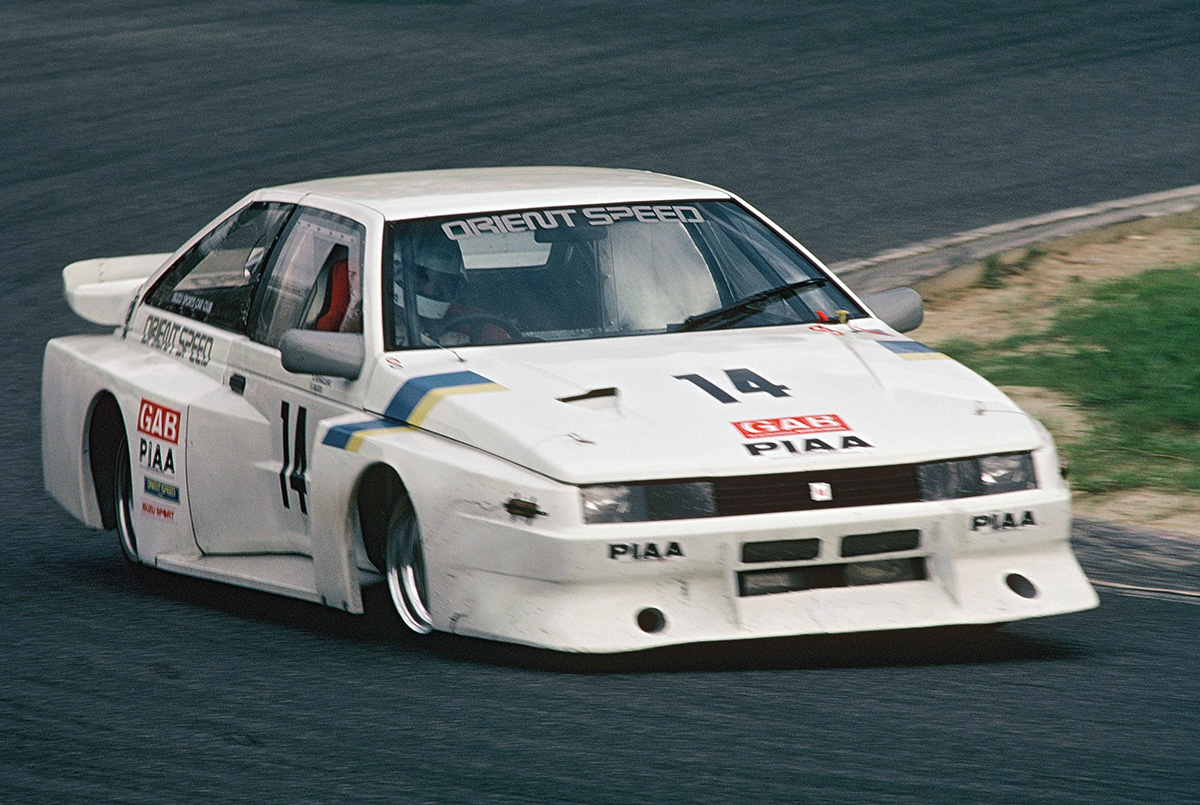
The Isuzu Piazza G5 from Orient Speed, which appeared in the Suzuka endurance race, finished 11th overall.
12th Porsche 956 Dominates at Suzuka 1000Km August 28, 1983
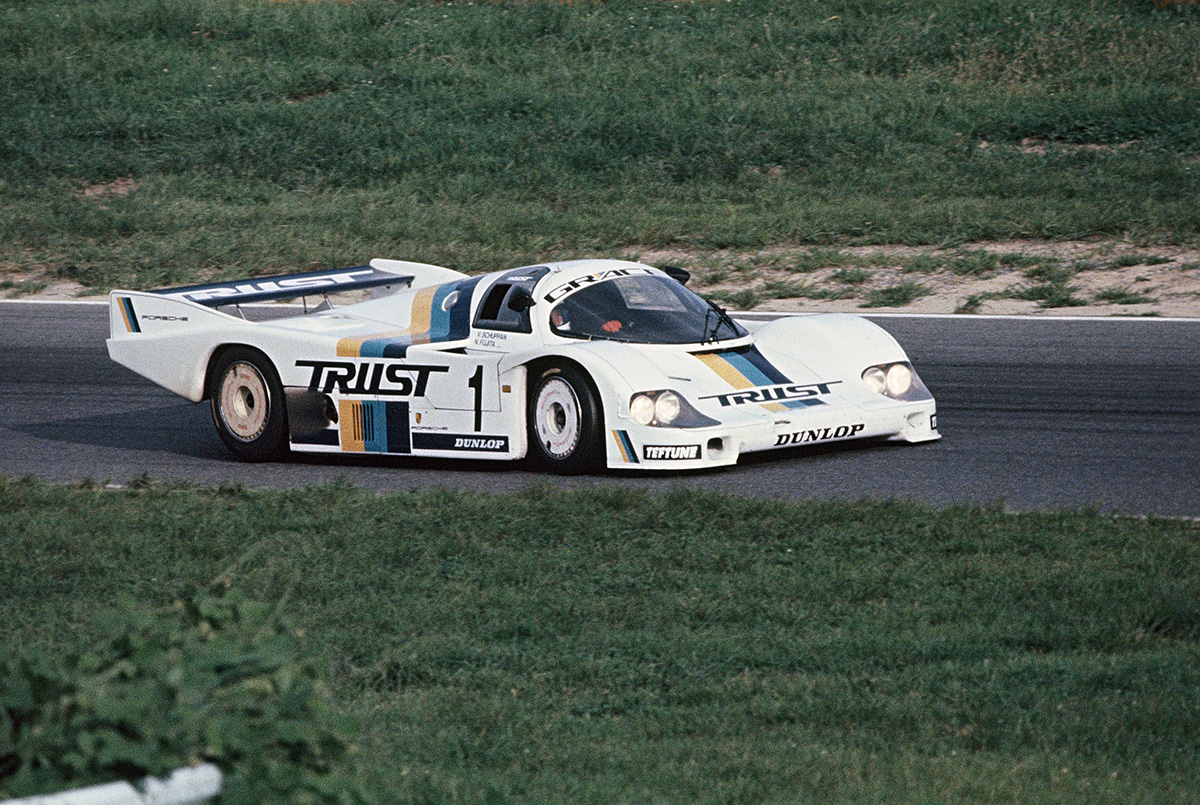
| Rank | Class | Driver (Machine) |
|---|---|---|
| 1st place | C-1 | Naohiro Fujita / V. Schuppan (Porsche 956) |
| 2nd place | C-2 | Keiji Matsumoto / Kaoru Hoshino / Masanori Sekiya (Toyota TOM'S 83C) |
| 3rd place | C-3 | Chiyozou Toya / Taku Akaike (Renoma 83C) |
| 4th place | C-4 | T. Nieder / E. Elgh (Dome RC83) |
| 5th | B-1 | Yoshimi Katayama / Junhisa Asai (Mazda RX-7) |
| 6th place | A-1 | Tsugio Oba / Katsuaki Sato (Honda Civic) |
Winning car record / 6 hours 42 minutes 41.926 seconds 335 km × 166 laps 1001.5361 km
30 starters, 18 finishers
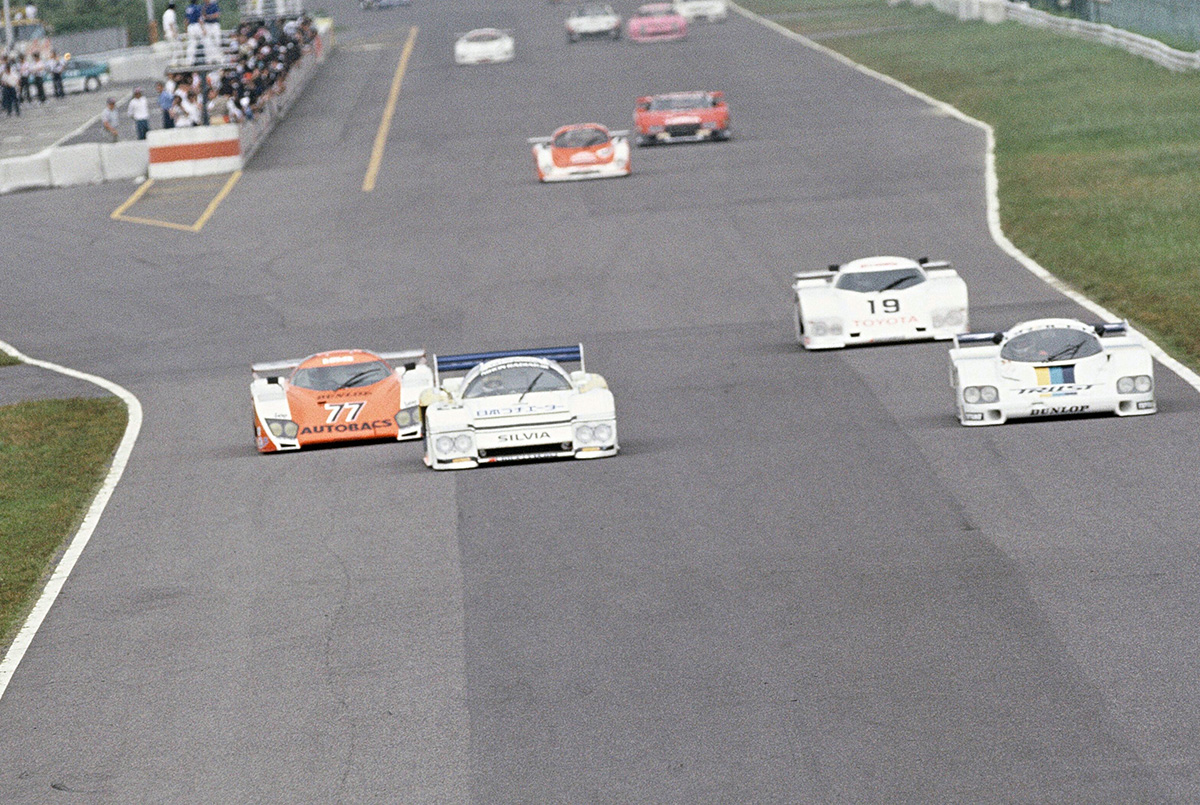
Since the start of the SUZUKA 1000Km, the irregular Le Mans-style start was replaced by a rolling start.
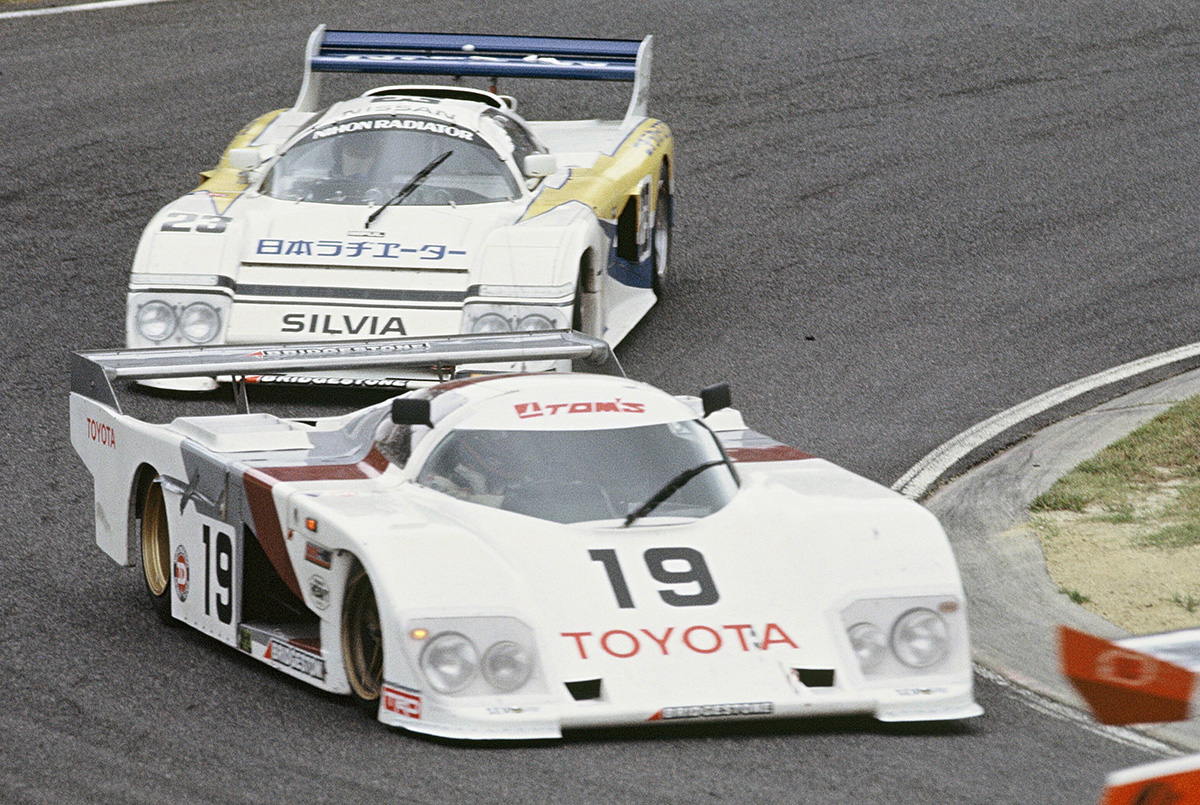
Toyota and Nissan developed domestic Group C cars and chased Porsche.
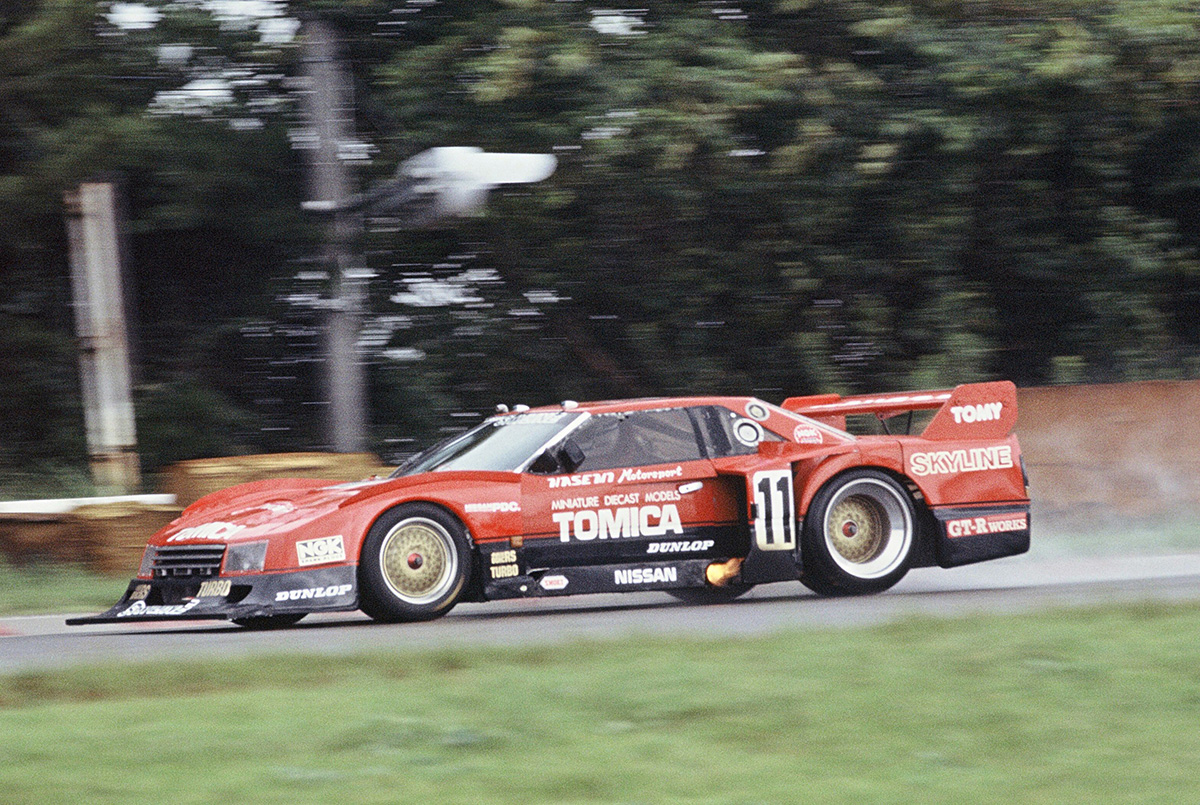
Nissan introduced the Group C “Skyline Turbo C Tomica,” which had the silhouette of the Skyline.
13th Veteran Kunimitsu Takahashi Wins at Suzuka for the First Time in 11 Years August 26, 1984
| Rank | Class | Driver (Machine) |
|---|---|---|
| 1st place | B-1 | Kunimitsu Takahashi / Kenji Takahashi / G. Rees (Porsche 956) |
| 2nd place | B-2 | V. Schuppan / Yoshimi Katayama (Porsche 956) |
| 3rd place | B-3 | Naoki Nagasaka / Keiichi Suzuki (Lotec M1C) |
| 4th place | B-4 | Toru Shio / Taku Akaike (Mazda 83C) |
| 5th | B-5 | Koji Shigeno / Hideki Okada (Mazda 727C) |
| 8th place | A-1 | Makio Nonaka / Masuo Takada (First Molding Collage 45) |
Winning car record / 6 hours 29 minutes 32.915 seconds 915.943 km × 169 laps 1004.367 km
42 starters, 24 finishers
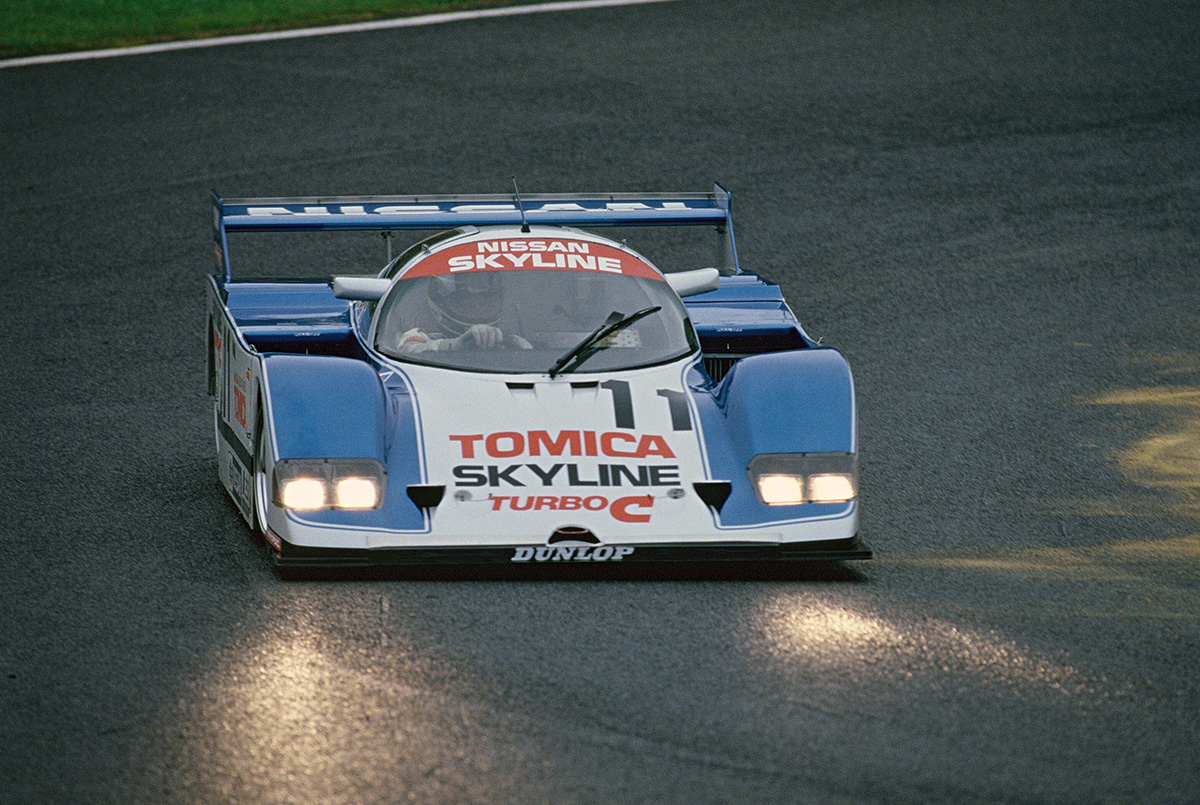
Nissan introduced the new LM03C. The coloring of the "Skyline Turbo C Tomica" is inspired by the Nissan R383.
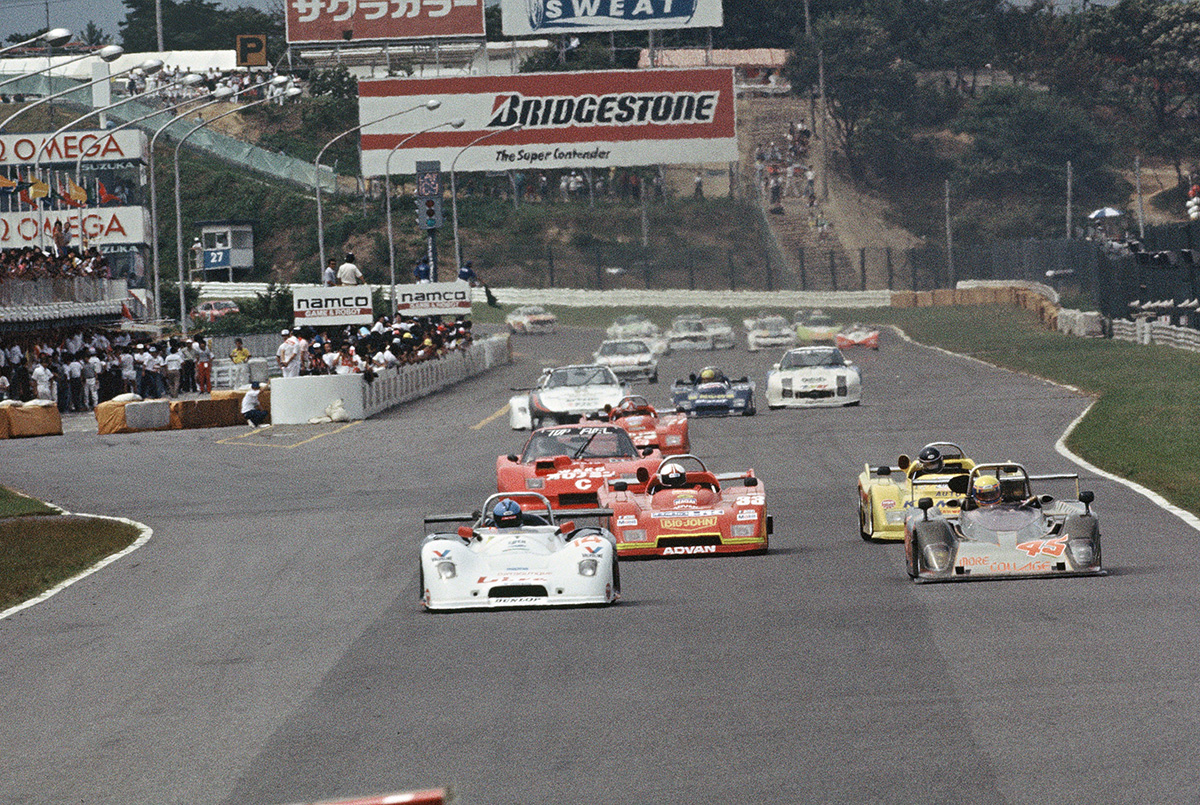
In the A class at Suzuka, the mini sports car "RS" participated, later replaced by TS cars such as the Sunny and Civic.
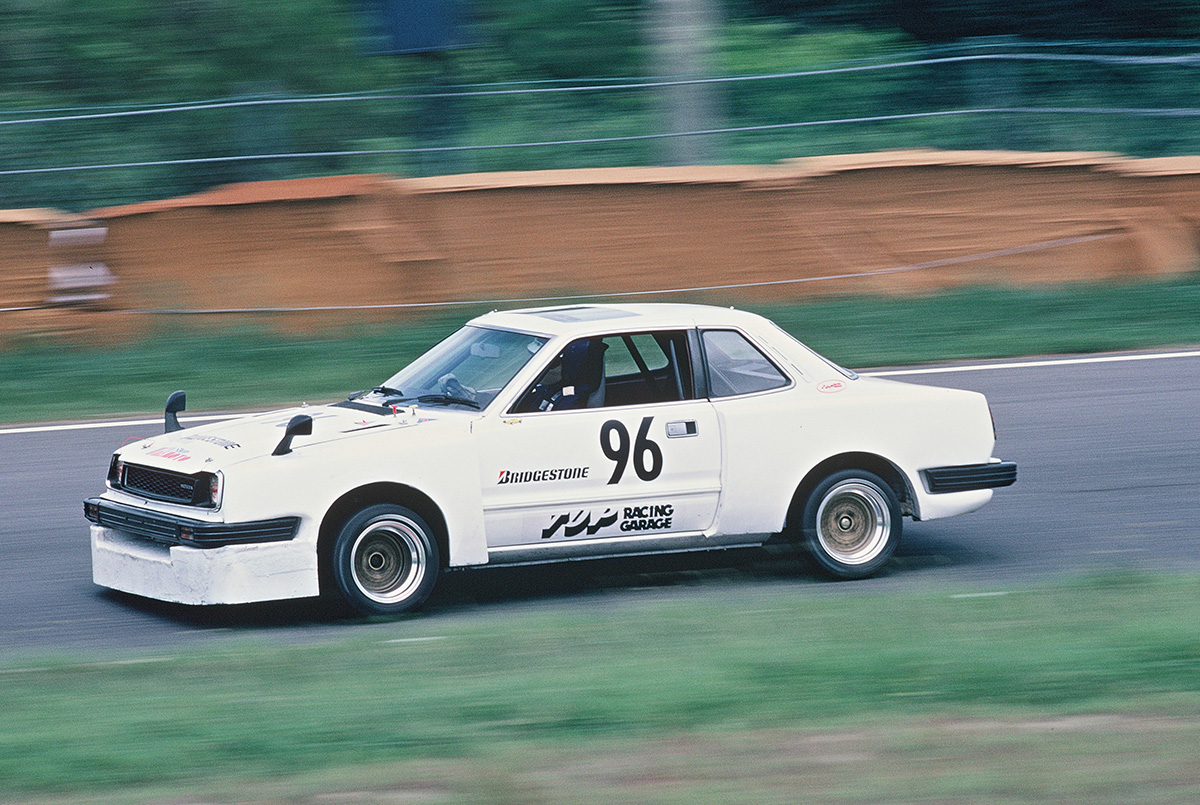
A Honda Prelude also participated in the A class, finishing 16th in the class.
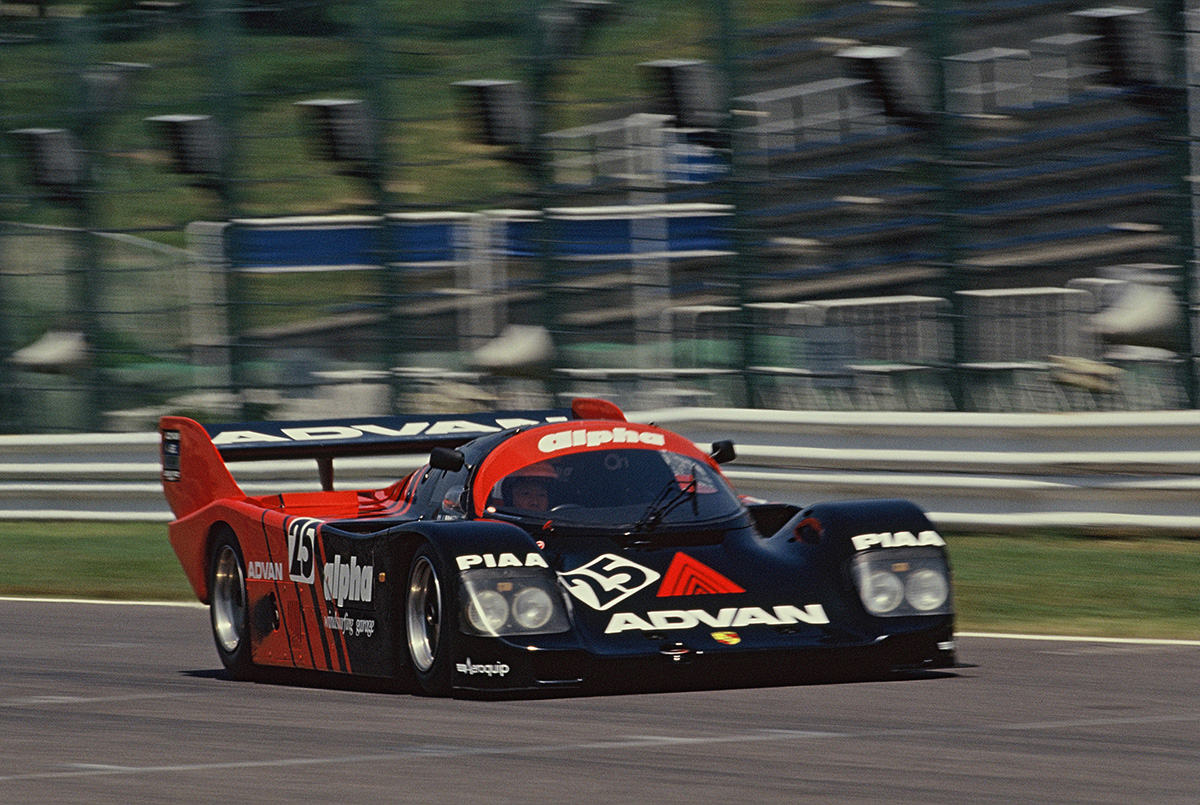
14th Advan, Consecutive 1000Km Wins with New Porsche August 25, 1985
| Rank | Class | Driver (Machine) |
|---|---|---|
| 1st place | D-1 | Kunimitsu Takahashi / Kenji Takahashi (Porsche 962C) |
| 2nd place | D-2 | Satoru Nakajima / Masanori Sekiya / Kaoru Hoshino (Toyota 85C) |
| 3rd place | D-3 | Naoki Nagasaka / Taku Akaike (Toyota 85C) |
| 4th place | D-4 | V. Schuppan / Keiichi Suzuki (Porsche 956) |
| 5th | D-5 | Jiro Yoneyama / Hideki Okada (Porsche 956) |
| 10th place | C-1 | Yojiro Terada / D. Kennedy (Mazda 737C) |
| 12th place | B-1 | Hidetoshi Sasaki / Hisatoyo Goto (Oscar SK85) |
Winning car record / 6 hours 22 minutes 57.515 seconds 155.914 km × 170 laps 1005.38 km
42 starters, 24 finishers
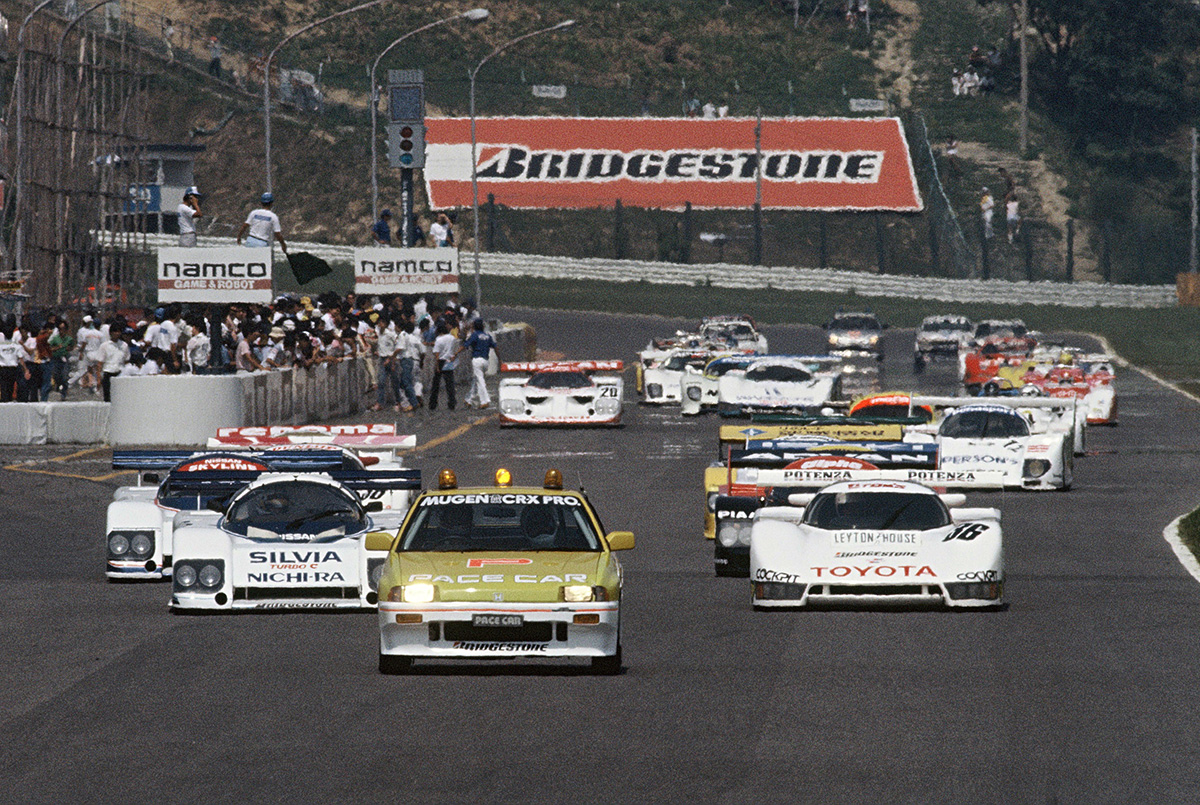
Qualifying grid was dominated by Nissan and Toyota, gradually starting to break Porsche's stronghold.
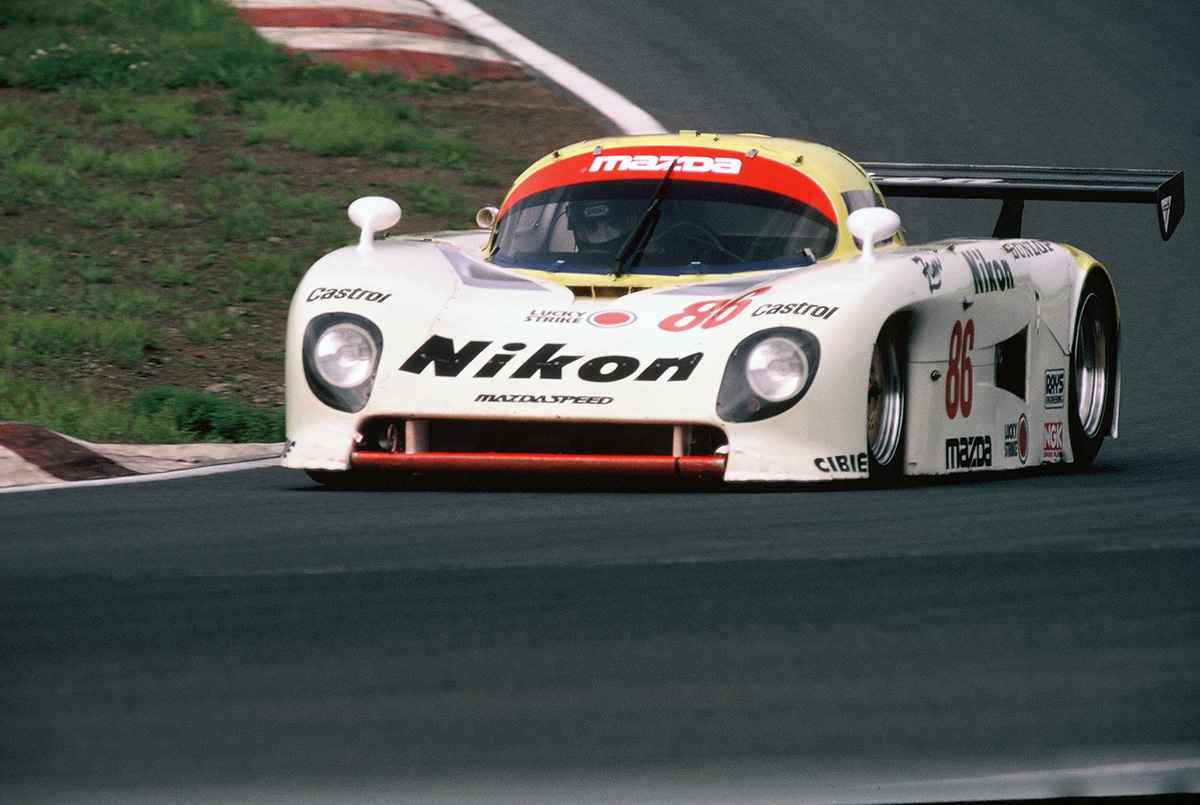
The Terada/Kennedy Mazda participated in the Le Mans 24-hour race.
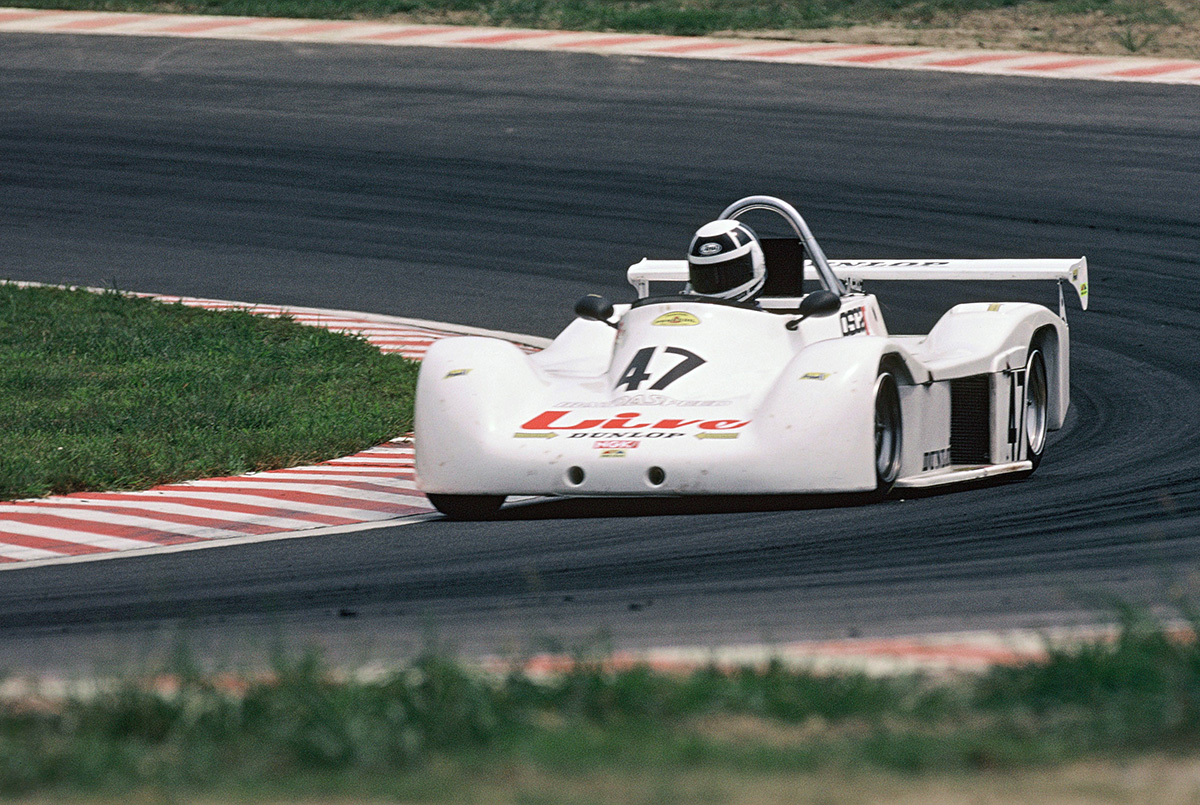
B-Class victory went to the Sasaki/Goto team’s Oscar SK85.
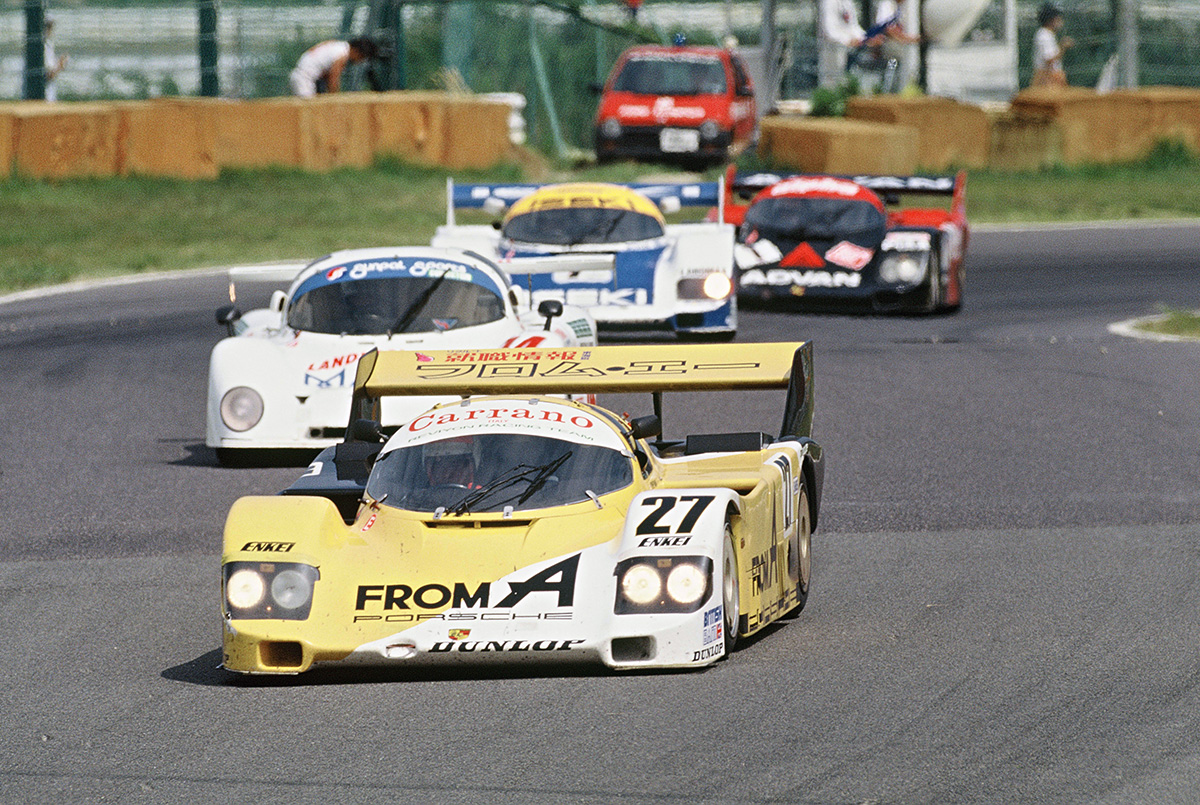
The 15th Yoneyama, Porsche wins the 1000km for the first time in 17 years! August 24, 1986
| Rank | Class | Driver (Machine) |
|---|---|---|
| 1st place | C-1 | Jiro Yoneyama / Hideki Okada / Toshihisa Asai (Porsche 956) |
| 2nd place | C-2 | Genji Kurosawa / Hitoshi Ogawa / Kaoru Hoshino (Toyota 86C) |
| 3rd place | C-3 | Taketake Takahara / Chiyozou Toya / Kenji Miyako (Porsche 956) |
| 4th place | C-4 | K. Atkinson / M. Lowe (Toyota 85C) |
| 5th | C-5 | Koji Shigeno / D. Kennedy (Mazda 757) |
| 8th place | A-1 | Keiichi Mizutani / Yuzo Kamata / Yoshiyuki Ogura (Oscar SK85) |
Winning car record / 6 hours 20 minutes 26.745 seconds 455.9136 km × 170 laps 1005.312 km
37 starters, 18 finishers
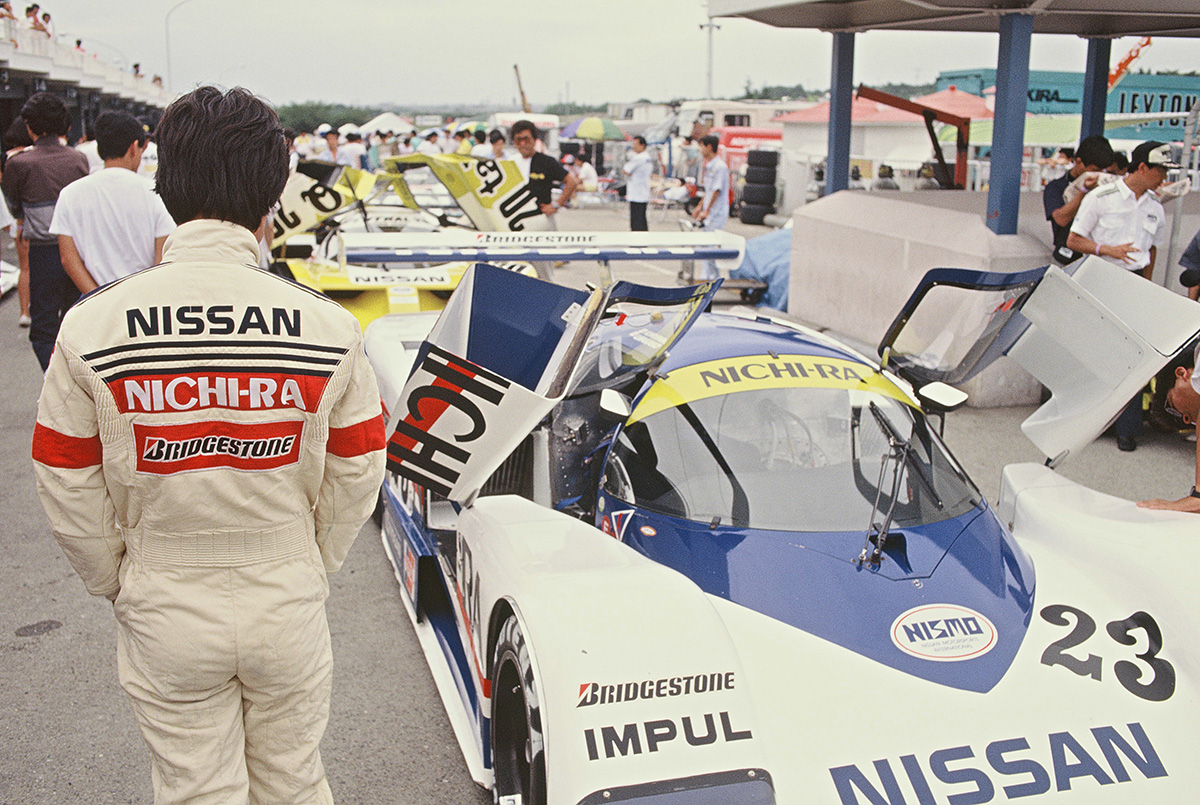
#23 secured the pole position, but retired after 9 laps in the final due to clutch trouble. Nichira later became Calsonic.
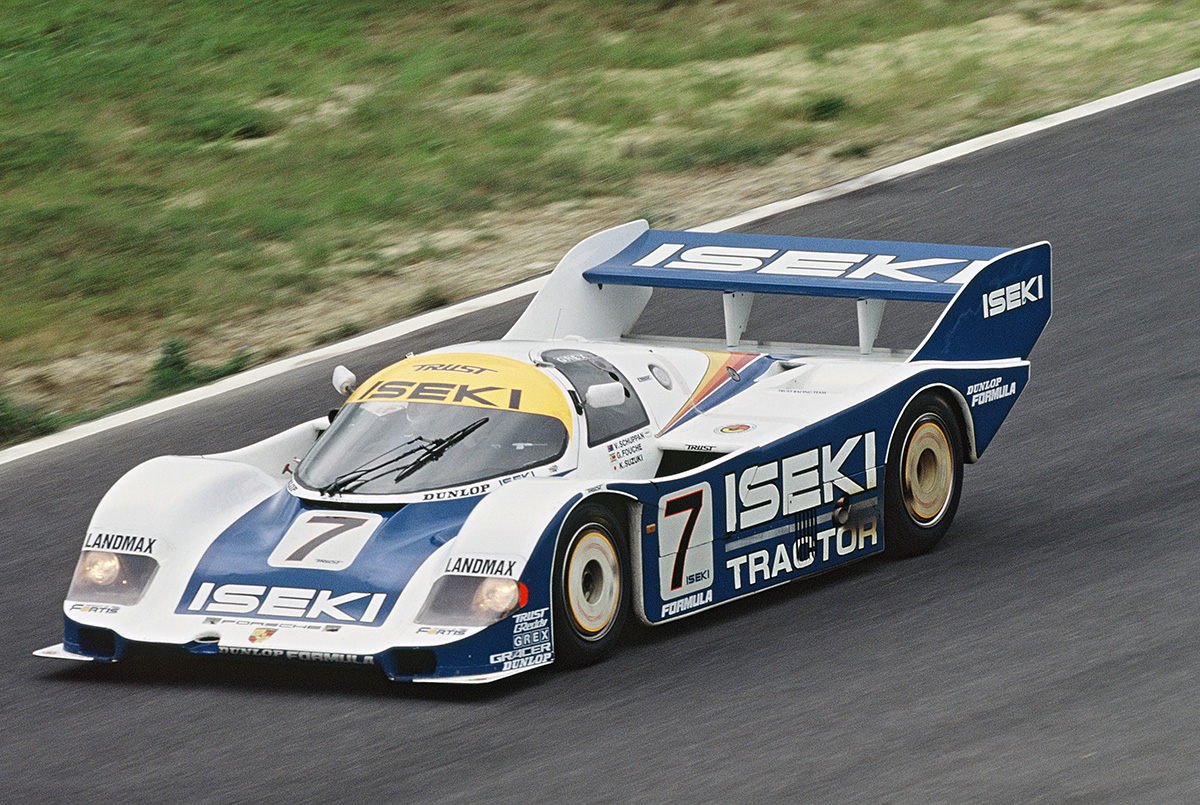
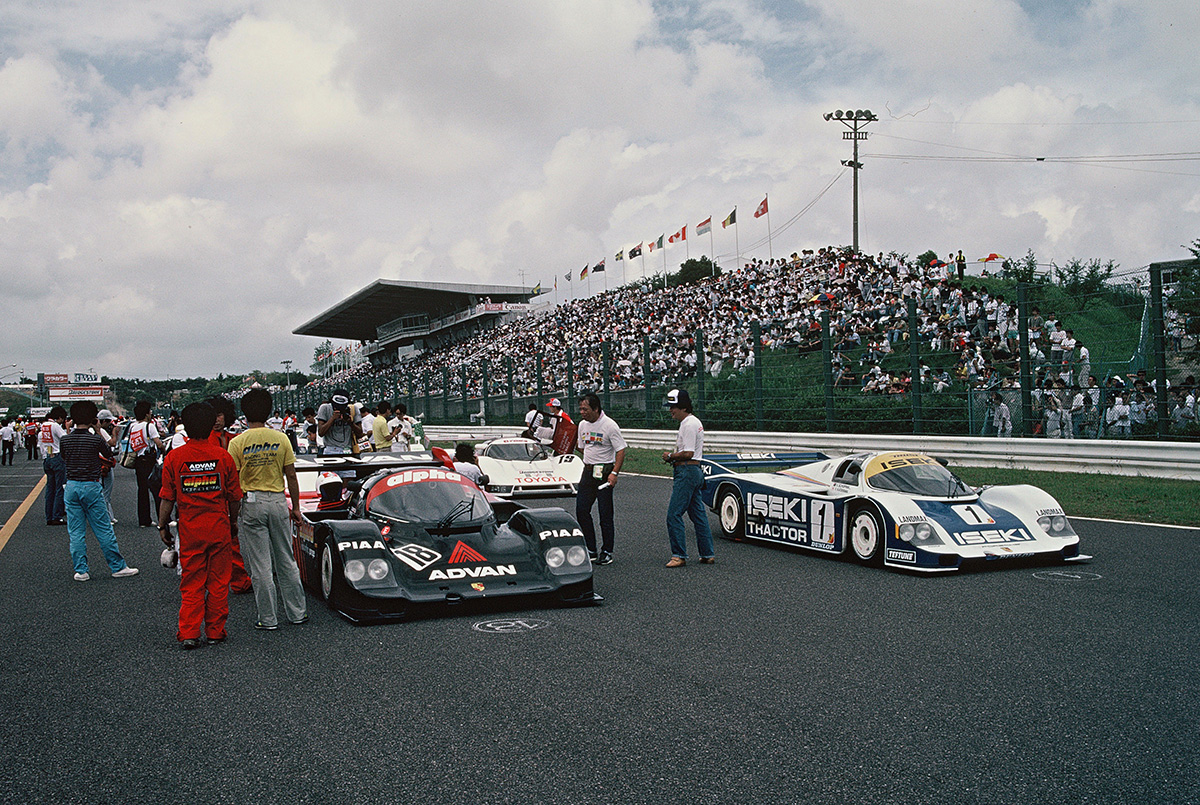
Iseki was the first to receive the checkered flag, but was disqualified due to a fuel tank capacity violation.
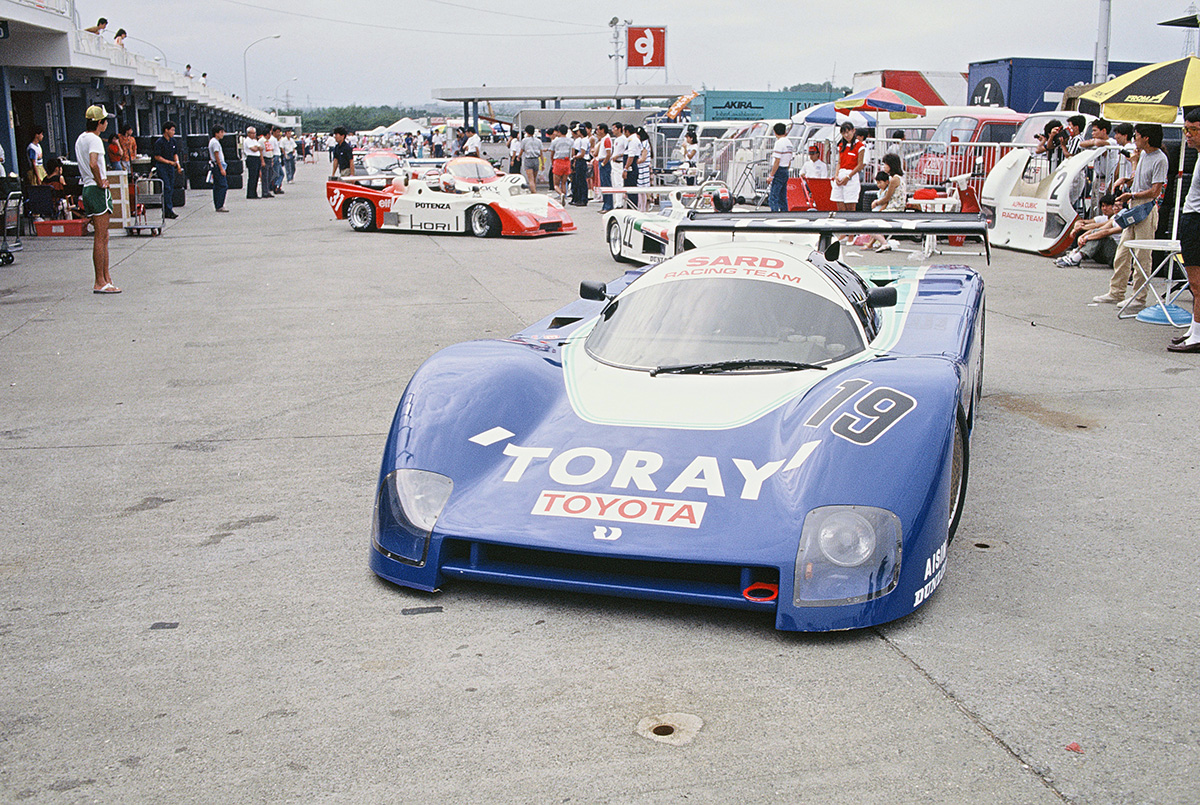
Sigma, active in the 1970s, made a comeback under the name Third MC86X. It was an ambitious machine that made extensive use of carbon.


